
Flying Ant Day 2026: When to Expect the Swarm in the UK
Updated: Sep 5
Watch: 500+ Lasius niger Queen Ants After a Nuptial Flight
Britain Braces for Earlier Swarm Warning
Want to know about Flying Ant Day in Britain for 2026? This amazing yearly event, a fascinating natural phenomenon involving the black garden ant (Lasius niger), came earlier and proved more intense than usual.
Flying Ant Day 2026: What Actually Happened
Our data from the last 24 years shows 90% of nuptial flights happened in July, and 2026 held true to July — but the season opened early and ran ahead of schedule, exactly as our modelling predicted.
Flying Ant Season 2026: The Full Record
Now that the season has ended, here's exactly how Flying Ant Day 2026 unfolded across the UK — and it played out just as our data predicted.
The season opened early with two heat-driven advance flights: around 10% of the UK's Lasius niger (black garden ant) queens took to the skies on 21 June, followed by a further 5% on 23 June.
The main nuptial flight then arrived on Sunday, 5 July, when roughly 35% of queens took to the air in one enormous surge. Three days later, on Wednesday, 8 July, a second boom sent up another 30%.
A further flight followed on Thursday, 16 July, adding 10%, with a smaller wave of around 5% on Tuesday, 28 July. A final 5% took to the air on 13 August, closing out the main season.
A small rupture flight was then recorded on 23 August, mainly across the North of England — the very last emergence of the year.
Two heat waves in late spring set the pace, and the season ran ahead of schedule from the very first flight. From one record year to the next, the pattern holds: warm weather reshapes the flying ant calendar, and 2026 was no exception.
Missed the swarm? Start your own thriving colony today with a captive-bred Queen Ant Kit.
Urban areas, like Central London, saw activity even sooner, contributing to one of the biggest swarms of flying insects we've seen yet.
The UK's flying ant season stands out as a captivating event in the field of entomology. These tiny flying insects show up on Met Office radar systems because they're about the size of raindrops. Weather radar has even picked up swarms stretching more than a mile wide.
The climate crisis affects the flying ant season significantly - when warm and wet conditions alternate, it can trigger millions of these eusocial insects to take flight at once. The timing and length of the flying ant day depend on specific environmental triggers like temperature, humidity, and wind speed. We'll dive deeper into these conditions in this piece.
Britain's Early Flying Ant Season 2026
Why 2026 saw one of the earliest flying ant swarms yet
Britain experienced one of its earliest flying ant emergences on record in 2026. The Royal Society of Biology's entomologists had expected swarms to appear by late June because of unusually warm spring temperatures. This marked a dramatic change from usual patterns - data from the last 24 years show 90% of mating flights happened in July.
We do not fully agree with the Royal Society of Biology's entomologists' statement. Experience is the mother of wisdom, and the two early advance flights on 21 and 23 June proved the season had shifted early, before the main body of queens flew in July.
Climate change emerges as the main reason behind these changes. The mix of warm and wet conditions, plus no wind, triggered tens of millions of them to take to the skies in massive swarms. These changing patterns affect British ecosystems deeply, highlighting the ecological impact of this insect reproduction event.
How urban heat islands accelerate emergence
Flying ants emerge earlier in cities than in rural areas. The heat island effect causes this acceleration - cities stay several degrees Celsius warmer than the nearby countryside. The warmer conditions make ant colonies active sooner, especially in big cities like London. Global warming and pollution have caused urban areas to see ant emergence a week earlier than the rest of the UK.
Concrete and asphalt trap heat while sealed surfaces limit natural habitats. This forces urban ant colonies to adapt - queens now prefer staying in existing nests instead of starting new colonies. Homeowners should be aware of potential entry points for these flying insects during this time.
No need to panic! Those newly fertilised crowned queen ants would rather set up their royal palaces in the great outdoors than crash at your place.
What past data reveals about shifting timelines
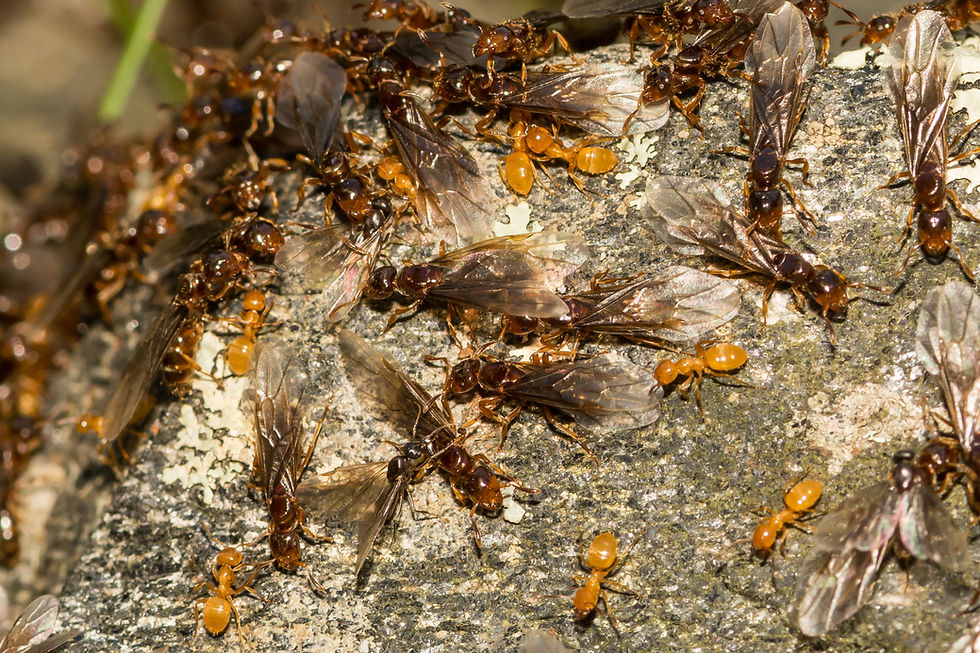
Radar tracking shows clear regional patterns in ant emergence across the UK. Swarms first appear in southern regions, mainly Cornwall, Devon and Kent, before spreading north across Britain. Our research from the last two decades reveals an interesting pattern - colder winters lead to earlier mating flights. The more rainfall over the winter, the later the swarms. We developed an algorithm to analyse how temperature variations during the spring months impact the flying ant season.
And, bingo! We've been hitting the prediction jackpot with a 96% accuracy rate for the past 11 years!
Our last study, published in 2018, found peak flying ant activity on July 5th after an exceptionally cold winter. The same phenomenon happened in 2004. Scientists' recent predictions show flying ant emergence happens between late June and mid-August, with most activity in early July. Migratory birds that depend on flying ants for food now face new challenges due to this shifting timeline, demonstrating the broader insect ecology implications.
Benefits of Nuptial Flights for Ant-Keepers
🐜✨ Flying Ant Day 2026 was one of nature's most spectacular events — and here's what ant-keepers gained from it.
Are you, as an ant-keeper newbie, ready to make the most of the next one? This July-August season brought incredible opportunities for ant-keepers across the UK. Our guide explores exactly what benefits you can gain from nuptial flights - from collecting mated queens to establishing thriving new colonies!
Did you know that during nuptial flights, multiple ant species emerge simultaneously? This gives you the perfect chance to expand your collection with species like Lasius Niger, Lasius Flavus, and even Myrmica Rubra. We've been helping ant enthusiasts for over 23 years, and we can tell you - timing is everything!
Whether you're a beginner wondering how to spot the perfect moment or an experienced keeper looking to add rare species to your setup, this article has insights you won't want to miss.
Trust the professionals - we guarantee you'll discover something new about these fascinating creatures!
Read our complete guide and join our community of passionate antkeepers. Together, we can make the next Flying Ant Day your most successful collecting season yet! 🏆
Weather Triggers Set the Stage for Nuptial Flight 2026
The exact timing of Flying Ant Day depends on weather patterns working together. Scientific research shows a close connection between weather conditions and ant behaviour.
How temperature and humidity influence flying ants' swarming
Temperature is the most important factor that determines when the flying ant season begins, and the air is filled with winged Lasius niger ants. Research shows flying ants take to the air only when temperatures rise above 24°C. They prefer hot conditions around 26°C to fly. A complete study looking at over 13,000 observations found that flying ants appeared somewhere in the UK every single day when mean temperatures exceeded 25°C.
High humidity levels play a vital role in successful mating flights. This moisture helps:
● Keep wings and bodies sufficiently hydrated during flight
● Signal ideal conditions for new colony establishment
● Ensure survival during the physically demanding mating process
Ants show amazing weather forecasting abilities. They prefer to fly on days warmer than the previous day. This helps them predict short-term weather patterns to boost their chances of successful reproduction.
Why wind speed matters for flying winged ants
Strong winds create major risks for flying ants during their mating flights. Scientists have found that ants emerge only when wind speeds stay below 6.3 metres per second. Their delicate wings become hard to control in stronger winds, which can blow colonies off course or separate potential mates.
The Royal Society of Biology's research shows that flying ants actively track wind patterns. They pick days with decreasing wind speeds compared to the previous day. This smart adaptation helps ensure successful mating. Calmer conditions let ants control their flight patterns and find partners easily.
What role does summer rain play in triggering flights of Lasius niger
Summer light rainfall creates perfect conditions for mating flights. The soil becomes softer after rain, which helps fertilised queens establish new colonies. Rain showers followed by warm weather create the exact humidity levels ants need for wing development and flight.
The timing must be perfect. A study of leafcutting ants shows they start mating flights only after getting at least 64mm of rainfall in the month before flight, with temperatures above 22°C. Meteorologists think 2026 saw alternating warm and wet conditions. This triggered earlier and more synchronised emergence patterns across the UK, affecting soil quality and overall ant behaviour. Flying Ants' Lifecycle Drives the Swarming Phenomenon
What is the nuptial flight, and why does it matter
Britain's mass emergence of winged ants shows us the nuptial flight, aka mating flight—a vital reproductive process where virgin queens and males fly into the skies to mate. This amazing sight in the air isn't just a summer nuisance. It's a smart reproductive strategy that helps maintain genetic diversity. These winged reproductive ants have just one purpose, unlike their sterile worker counterparts. They need to keep their species going through their aerial mating rituals.
How queens and males prepare for reproduction
Ant colonies create special winged reproductives called alates before the flight begins. These sexually mature ants grow differently from regular sterile workers. Males come from unfertilized eggs, while fertilised eggs turn into potential queens. Both types develop wings and stay in their parent colonies. They wait for the perfect weather—usually warm days right after it rains.
What happens after mating: colony formation
Big changes happen after the ants mate in the air. Males die soon after completing their only job, sometimes while doing it. Fertilised queens land and bite off their own wings right away. They search for good nesting spots where they'll begin tunnelling activity and lay their first eggs, initiating the process of colony founding. You can see this amazing process yourself by getting live queen ants from UK specialist suppliers.
Why does swarming ensure survival of the species
Multiple colonies time their mating flights together for two main reasons. The large numbers help protect them from hungry birds. It also lets different colonies mix their genes better. Queens face tough odds—only one out of thousands will start a lasting colony. This harsh selection means only the strongest queens pass on their genes, which makes the whole species stronger.
Flying Ant Day 2026 Regional Variations
Latest forecasting models help entomologists make more accurate predictions about the flying ant season across the UK. The 2026 data revealed some interesting new patterns.
When to expect peak swarms in different UK regions
Flying ants follow a predictable regional pattern. Swarms first show up in the southern parts of the UK, mainly in Cornwall, Devon and Kent, before they move north and west. The earliest 2026 swarms appeared in South West England, about 3-7 days before London. The heat island effect makes urban areas see swarms before rural regions, with London usually getting the first waves each season. Peak activity happened through July, with the biggest surge on 5 July. This timing might even affect events like Wimbledon tennis, where flying ants have been known to cause disruptions in the past.
How long does a flying ant's day last?
The name "flying ant day" is misleading since the phenomenon lasts several weeks. Research from the Royal Society of Biology proves this isn't a single-day event. Winged ants actually emerge from late June through early September, with several peak periods. These mating flights happen when temperatures rise above 24°C. The combination of wet and warm weather, coupled with the light winds of 2026, created ideal conditions for larger-than-usual swarms.
What the 2000–2025 data tells us about 2026
Historical patterns show some interesting trends. July has seen 92% of nuptial flights in the last 25 years. Cold winters seem to lead to earlier mating flights—like in 2018, when peak activity happened on July 5th after an unusually cold winter. Our data from 1988-2025 show July peaks consistently, and 2026 followed this pattern while starting earlier. Ant surveys conducted during this period have provided valuable insights into the changing behaviour of these insects.
How to track swarms using weather patterns
The Met Office now uses a groundbreaking radar system that can detect flying ant swarms. This BioDAR Project technology can separate rainfall from insect swarms by looking at reflectivity patterns. You can track local swarm activity by watching these conditions: temperatures above 24°C, wind speeds under 6.3 metres per second, and recent rainfall. Specialist live ant suppliers in the UK sell live queen ants if you want to watch their fascinating lifecycle up close.
Best Ants UK Flying Ant Day Archive 2000-2024
Year | Flying days in London |
2000 | 9-14 July (peaks on the 11th and 12th of July) |
2001 | 7-13 July (peaks on the 9th, 11th and 12th of July) |
2002 | 14-21 July (peaks on the 15th and 21st of July) |
2003 | 21-29 July (peaks on the 23rd and 25th of July) |
2004 | 6-11 July (peaks on the 7th and 10th of July) |
2005 | 19-24 July (peaks on the 20th and 21st of July) |
2006 | 15-22 July (peaks on the 16th and 19th of July) |
2007 | 19-22 July (peaks on the 20th and 22nd of July) |
2008 | 21-27 July (peaks on the 24th and 25th of July) |
2009 | 4-9 July (peaks on the 4th, 6th and 8th of July) |
2010 | 14-21 July (peaks on the 17th and 18 of July) |
2011 | 27 July - 2 August (peaks on the 28th of July and 1st of August) |
2012 | 24 July - 8 August (peaks on the 29th of July and 4th of August) |
2013 | 27 July - 3 August (peaks on the 28th of July and 2nd of August) |
2014 | 19-24 July (peaks on the 20th and 21st of July) |
2015 | 29 July - 4 August (peaks on the 30th of July and 2nd of August) |
2016 | 19-23 July (peaks on the 20th and 21st of July) |
2017 | 5-13 July (peaks on the 7th and 12th of July) |
2018 | 4-12 July (peaks on the 5th and 11th of July) |
2019 | 21-27 July (peaks on the 23rd and 25th of July) |
2020 | 12-19 July (peaks on the 12th and 17th of July) |
2021 | 4-17 July (peaks on the 5th and 15th of July) |
2022 | 10-16 July (peaks on the 11th and 15th of July) |
2023 | 6 July - 8 August (peaks on 7th, 18th and 27th of July and 7th of August) |
2024 | 12 July - 28 August (peaks on 12th, 17th and 28th of July) |
2025 | June 29th - August 11th (peak activity on June 29th and July 9th) |
2026 | 21 June - 23 August (10% on 21 June, 5% on 23 June, 35% on 5 July, 30% on 8 July, 10% on 16 July, 5% on 28 July, 5% on 13 August; late rupture flight 23 August, mainly N. England) |

Conclusion
Britain's Flying Ant Day 2026 proved a remarkable natural event, with the main swarm peaking on 5 July and the season opening even earlier with advance flights on 21 and 23 June. Urban areas saw flying ants slightly earlier because towns and cities often stay warmer than the surrounding countryside.
These nuptial flights depend on specific weather triggers. Warm temperatures above 22°C, especially above 24°C, low wind, high humidity and recent rainfall all helped create the right conditions for queen ants and males to take flight.
People call it "Flying Ant Day", but the event lasts much longer than one day. Flying ant activity continued across several weeks in 2026, with multiple major peaks depending on the weather. These synchronised mass flights help protect ants from predators, support genetic diversity and allow newly fertilised queens to start new colonies.
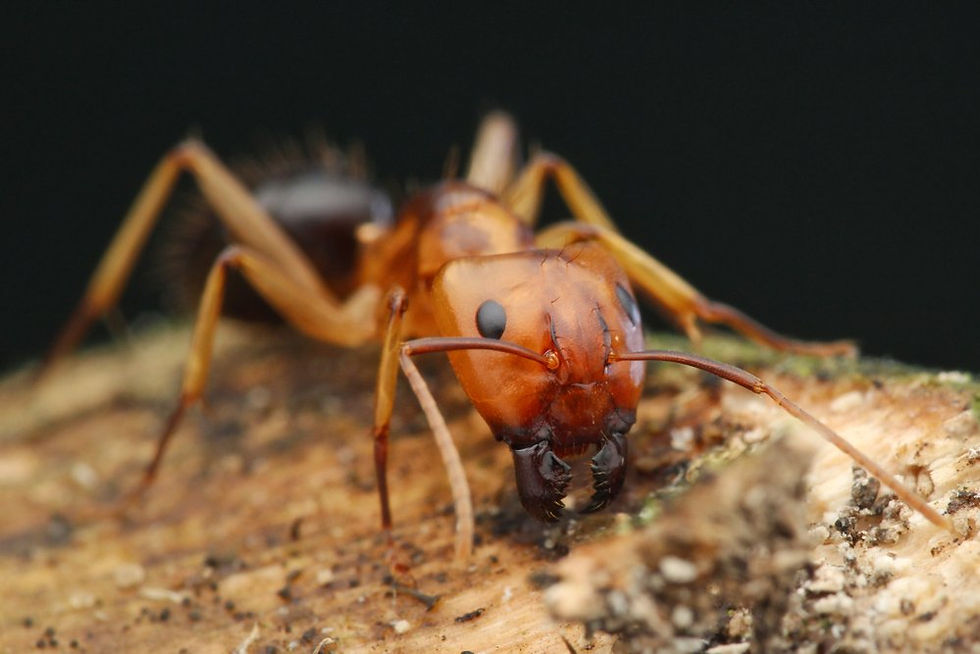
Modern weather tracking systems, including Met Office radar, have helped reveal just how large these flying ant swarms can be. What may look like a sudden invasion is actually one of Britain's most fascinating seasonal wildlife events.

While Lasius niger, the black garden ant, is the main species most people notice during Flying Ant Day, other ant species can also take part in nuptial flights. Flying ants are part of the UK's natural ecosystem, and most swarms disappear quickly once the flight is over. They are best understood as a seasonal wildlife event, not a reason to panic.
As we continue to study the flying ant season, we gain valuable insight into insect ecology, British wildlife and the close relationship between weather, climate and animal behaviour.
Key Takeaways
Britain's Flying Ant Day 2026 arrived earlier than ever, with climate change reshaping this spectacular natural phenomenon and creating new challenges for both insects and observers.
● Flying Ant Day 2026 peaked on 5 July, with early advance flights on 21 and 23 June — among the earliest starts on record due to climate change effects
● Urban areas experienced swarms approximately one week earlier than rural regions due to heat island effects and higher temperatures
● Optimal swarming requires temperatures above 23°C, wind speeds below 6 m/s, and recent rainfall for successful nuptial flights
● The phenomenon spans several weeks rather than a single day, with synchronised mass flights ensuring genetic diversity and species survival
● Met Office radar systems can now track flying ant swarms, helping predict regional emergence patterns across the UK
Despite its name suggesting a single event, Flying Ant Day marks a crucial reproductive cycle in which millions of winged ants take flight simultaneously. This natural spectacle, whilst sometimes inconvenient, plays a vital role in maintaining healthy ant populations and supporting broader ecosystem balance across Britain.
FAQs
Q1. When did Flying Ant Day occur in 2026?
Flying Ant Day 2026 peaked on 5 July, with early advance flights on 21 and 23 June and further waves through July and into August. Urban areas experienced swarms up to a week earlier than rural regions.
Q2. How long does the flying ant phenomenon actually last?
Despite its name, Flying Ant Day is not limited to a single day. The phenomenon typically spans several weeks, usually from late June through early September, with multiple emergence peaks throughout this period.
Q3. What weather conditions trigger flying ant swarms?
Flying ants typically emerge when temperatures exceed 23°C (preferably above 24°C), wind speeds are below 6.3 metres per second, and there has been recent rainfall. These conditions create the ideal environment for their nuptial flights.
Q4. Why do flying ants swarm in such large numbers?
The mass synchronisation of nuptial flights serves two primary purposes: it provides safety in numbers against predators and maximises genetic mixing between different colonies, ensuring the survival and diversity of the species.
Q5. How can I track flying ant swarms in my area?
You can monitor local weather conditions that are favourable for flying ants, such as temperatures above 24°C, low wind speeds, and recent rainfall. Additionally, the Met Office has developed radar technology capable of detecting and tracking large flying ant swarms across the UK.


