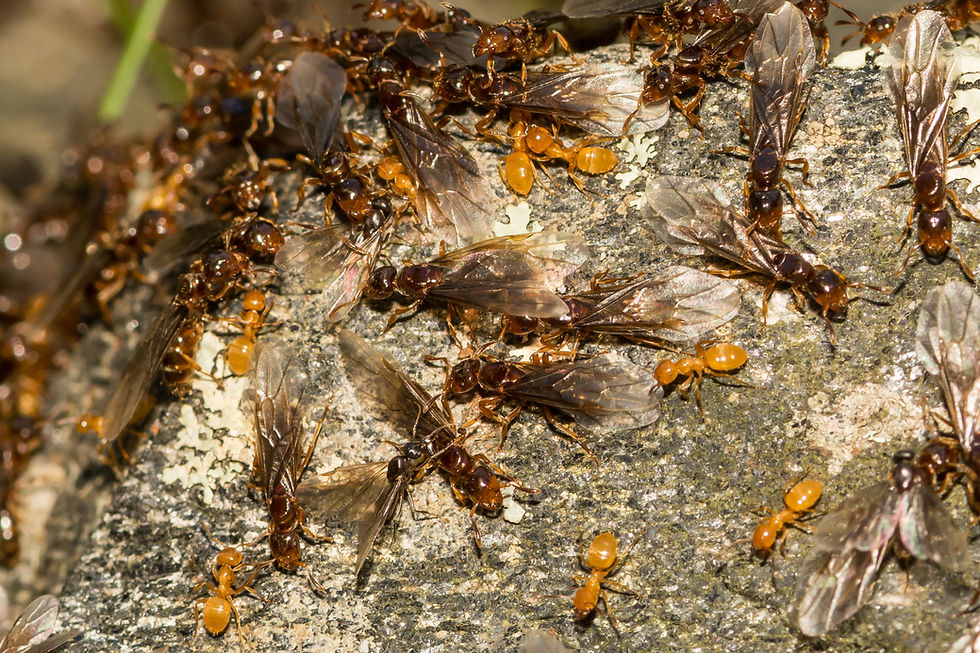
How to Find an Ants Nest in Your House and Remove It Safely

Did you know that a single ant colony can house between 4,000 and 7,000 workers, and some ant infestations can involve thousands or even millions of ants?
We love ants, but only the ones in nature or a controlled environment.
Isn't it frustrating when ants invade every corner of your kitchen?
Nobody likes discovering ants nesting in their fridge, washing machine, or anywhere else in the house. Ready to say goodbye to them, but not sure where to start? Let us help you out!
That's why once you spot your first ant, they seem to be everywhere!
Understanding how to find an ant's nest is the first step to tackling ant infestation in the house. We've created this detailed guide to help you identify where ants are coming from and locate their nests both indoors and outdoors.
You'll learn how to remove ants from your home safely.
Whether you're dealing with ants in your house for the first time or facing a persistent problem, we'll walk you through proven methods to find and eliminate ant nests while keeping your home safe.
Understanding Ant Infestations in Your House

What Attracts Ants Inside Your Home
Ants come indoors searching for three simple necessities: food, water and shelter. Even small amounts of food can attract hordes of ants. They're especially drawn to crumbs, spills and pet food left exposed around your home. Sweet substances rank high on their preference list, though ants are opportunistic feeders and will consume almost anything humans eat.
Water sources play a most important role in attracting ants inside. You may notice ants in bathrooms or other humid areas as they search for moisture during dry periods. Leaky pipes, condensation, damp bath mats or pet water bowls can draw them in. Heavy rains can also cause ant nests to flood and force them to relocate to nearby buildings like your house.
Shelter needs bring ants indoors as well, especially during warmer months when colonies are growing and their need for food increases. Cracks in walls, foundations and the undersides of kitchen work surfaces provide perfect nesting havens. Ants can slip through spaces as small as 1/64 of an inch. Some species forage indoors and return to outdoor nests, while others establish colonies inside your home.
Common Types of Ants Found in Houses

Black garden ants are the most common species found in UK homes. These dark brown-black ants measure 4-5mm long and follow well-defined trails around food sources. Pharaoh ants are more troublesome, measuring only 1.5-2mm long with a yellow-brown colour. They can spread diseases as they scavenge, making their control a priority.
Carpenter ants are found in forested habitats but love to burrow into dead, damp wood. They can be a real problem for houses with interior wood, building tunnels inside it. Pavement ants, approximately 3mm long and dark brown or blackish, nest under pavements and come searching inside for food. Other common indoor species include odorous house ants and thief ants.
Signs of an Ant Nest in Your House
Persistent ant trails along skirting boards, walls or countertops indicate a nearby nest. If you spot a place with a bunch of dead ants, the nest is certainly nearby. Carpenter ants leave behind sawdust-like debris as they dig through wood. You might hear faint rustling sounds coming from within the walls or under the floors in quiet rooms. Small holes or cracks in plaster, wood or flooring often hide nests behind them. Scout ants appearing indoors signal that more will follow if they find food.
How to Find Where Ants Are Coming From
Follow the Ant Trail
Watch ants before you eliminate them. This provides valuable clues. Worker ants leave pheromone trails that create highways between food sources and their nest. These chemical signals guide other colony members and form invisible routes that strengthen with repeated use. Watch multiple ants rather than focusing on a single individual. Ants rarely walk in straight lines from food to the colony. They follow zigzag patterns left by scout ants searching for resources instead. These trails straighten out as shortcuts emerge and the pheromone path refines over time. Place bait where you observe ants and watch the direction they carry it. This helps trace them back to their nest.
Identify Common Entry Points
Ants exploit tiny openings to access your home. Inspect foundations for cracks, as trails of ants along wall edges or near thresholds indicate they've gained access through these areas. Windows and doors require regular inspection after heavy rains or strong winds that weaken frames and seals.
Ants travel through cracks around windows, door frames, and utility pipes. Gaps larger than a quarter inch wide need immediate repair. Mortar becomes brittle and deteriorates with age. This creates small openings for pest entry.
Air vents allow ants to crawl through cracks around vent covers or breaks in nearby walls. Pipes and utilities present additional vulnerabilities, as ants fit through the smallest cracks where water, electricity, and other lines connect to your home.
Locate the Nest by Observing Ant Behaviour
Ant behaviour reveals nest locations. A line of ants moving back and forth between a food source andan entry point indicates a trail. The more ants visible, the larger the colony nearby. Ants follow structural guidelines that make movement easier, such as fences, wires, irrigation pipes, or concrete edges. Wall voids contain ants that trail on plumbing and wiring.
Check Dark and Moist Areas
Queen ants require moisture to survive and hatch eggs. They nest near damp areas like under sinks or near leaking pipes. Focus searches on dark, undisturbed spaces such as basements and crawl spaces. These provide humidity and many nesting nooks. Ants can even thrive in your washing machine for years!
How to Find Ant Nest in House
Search Indoor Nesting Locations
Ants seek warm, hidden spaces to establish colonies. Large appliances such as dishwashers, refrigerators, and dryers offer hiding places behind or underneath them. Wall voids and areas behind baseboards or wallpaper provide protected environments. Nests can harbour under floorboards, though you may need professional exterminators to access them. Crawl spaces and basements remain go-to locations due to their undisturbed nature and proximity to foundation cracks.
Check Walls and Cavities
Carpenter ants nest in wood and create hollow cavities. Tap on walls and listen for hollow, papery sounds showing nests inside. Small piles of drywall or sawdust around nest entrances signal active colonies. Wall voids and foam insulation provide nesting sites, whereas outdoor nests feature worker ants moving to and from visible locations.
Inspect Kitchen and Bathroom Areas
Kitchens attract ants with food scraps and moisture from sinks. Check under-sink cabinets, behind pipes, and cracks behind pantries. Bathrooms provide moisture that species like carpenter ants find irresistible. They nest behind tiles or under sinks. Examine gaps between tiles and cracks in walls that ants use as entryways. Ants love your dishwasher, too!
Look for Outdoor Nests Near Your Home
Ants nest in soil, but may be under paving stones or concrete. Small piles of excavated soil outside nest entrances have a volcano appearance. Check areas next to buildings where moisture or plants exist, along sidewalks, under boards or stones, and in firewood piles. Some species produce satellite nests as separate offshoots from the original colony.
How to Remove Ants from Home Safely
Natural Methods to Eliminate the Nest
Mix equal parts white vinegar and water, or combine 10-15 drops of peppermint oil with 2 cups of water in a spray bottle. These solutions work well on entry points and ant trails. Baking soda mixed with equal parts powdered sugar attracts ants and kills them when ingested. Diatomaceous earth sprinkled along ant pathways dehydrates insects upon contact and destroys their exoskeleton.
Using Bait to Destroy the Colony
You'll need 1/2 teaspoon borax, 8 teaspoons sugar, and 1 cup warm water. Saturate cotton balls with this mixture and place them near ant trails. Baits work by allowing worker ants to carry the poison back to the nest, where the queen and colony share it. Patience is everything here, as most ant baits are slow-acting and require 14-28 days to show results. Insecticides should never be sprayed near bait placements, as this contaminates the bait and repels ants.
Safe Chemical Treatments for Indoor Use
Cypermethrin-based products remain effective against ants for up to 12 weeks when applied to indoor surfaces. Indoxacarb bait stations work within 24 hours and activate only when ants consume the gel.
When to Call Professional Pest Control
Professionals should be contacted when DIY methods fail, you're dealing with large-scale infestations with many ant trails, or carpenter ants threaten structural damage.
Do not forget that professional services start at £160 without any guarantee. These ant-killing guys usually use the very same Ant Bait Station, which you can buy yourself for £7-£8 from Amazon.
Not only do these stations effectively eliminate ants, but they also deter other pests, offering a comprehensive solution to control ant infestations and keep your environment clean and pest-free!
In case you have ants stealing your food coming from outside your house, we recommend you use ant dust like the Quebec Ant Killer Powder. It kills all crawling insects like ants, cockroaches, woodlice, and earwigs.
This ant-killing powder features an effective bait that strongly attracts ants, prompting them to carry it back to their colony. The ants then distribute the toxic bait throughout the colony, leading to its complete eradication within a month.
Unlike conventional spray treatments, this approach effectively targets the entire colony. The product contains permethrin and may cause an allergic reaction.
Use biocides safely.
Always read the label and product information before use.
Very toxic to aquatic life with long-lasting effects.
It is advised not to use ant-killing powders if you have pets such as dogs or cats.
Seal Entry Points After Removal
Silicone caulk works for cracks around windows and doors, while expandable foam sealant handles larger openings around utility lines.
Conclusion
You now have everything you need to locate and eliminate ant nests in your house. Patience and observation are what matter most. Follow those ant trails and choose the right removal method for your situation.
Prevention matters just as much as elimination. Seal those cracks and maintain cleanliness. Stay vigilant. Most ant problems can be solved with the methods we've covered, but don't hesitate to call professionals if the infestation persists.
Key Takeaways
Here are the essential strategies for finding and safely removing ant nests from your home:
• Follow ant trails to locate nests - Watch worker ants carry food back to their colony, as they leave pheromone highways that lead directly to nest locations.
• Check dark, moist areas first - Focus on spaces behind appliances, under sinks, wall voids, and basements where ants prefer to establish colonies.
• Use bait instead of sprays for elimination - Mix borax with sugar to create a slow-acting poison that worker ants carry back to kill the entire colony, including the queen.
• Seal entry points after removal - Use caulk for cracks, weatherstripping for gaps, and foam sealant around utility lines to prevent future infestations.
• Call professionals for persistent problems - If DIY methods fail repeatedly or you're dealing with structural damage from carpenter ants, expert intervention is necessary.
Remember that a single ant colony can contain 4,000-7,000 workers, so addressing the source rather than individual ants is crucial for long-term success. Prevention through cleanliness and sealing entry points is equally important as elimination.
FAQs
Q1. Where are ant nests typically located inside a house?
Ant nests are commonly found in dark, moist areas such as behind large appliances (refrigerators, dishwashers, washing machines, dryers), under sinks, within wall voids, behind baseboards, under floorboards, and in crawl spaces or basements. They may also nest in cracks and crevices in cabinets, behind wallpaper, and in areas near leaking pipes where moisture is present.
Q2. What's the most effective way to eliminate an entire ant colony?
Using bait is the most effective method to destroy an entire colony. Mix borax with sugar and water, then place it on cotton balls near ant trails. Worker ants carry the slow-acting poison back to the nest, sharing it with the queen and other colony members. This method takes several days but targets the source of the infestation rather than just the visible ants.
Q3. Can ant nests have more than one entrance?
Yes, ant nests can have multiple entrances. Some species create nests with several entry points that may be separated by just a few centimetres or up to several decimeters apart. Additionally, certain ant species establish satellite nests as separate offshoots from the original colony, creating multiple access points throughout your home.
Q4. What should I do if I can't locate the ant nest?
If you can't find the nest, focus on eliminating food sources by keeping surfaces clean, sealing all entry points with caulk or weatherstripping, and removing sources of excess moisture. Use an Ant Bait Station, which you can buy yourself for £7-£8, near visible trails so worker ants carry poison back to the hidden nest. If these methods don't work after repeated attempts, use ant dust like the Quebec Ant Killer Powder, which costs around £8. It kills all crawling insects like ants, cockroaches, woodlice, and earwigs.
It is advised not to use ant-killing powders if you have pets such as dogs or cats.
Q5. Will pouring boiling water destroy an ant nest?
Pouring boiling water into an ant nest will kill many ants inside and disrupt the colony temporarily, but it won't completely destroy the entire colony. The queen and other ants deeper in the nest often survive, allowing the colony to rebuild. For complete elimination, using bait methods that target the entire colony, including the queen, is more effective.