I Caught a Queen Ant | What to Do Next | Flying Ant Day 2026 Guide
Updated: Jul 2

Key Takeaways
Catching a queen on Flying Ant Day 2026 is the easy part. Whether your colony lives or dies is decided in the first hour and the first few weeks.
• Spot a queen by her size and thorax: she is two to three times bigger than a worker (a black garden ant queen is 9 to 10mm) with a bulky, muscular midsection left over from her flying days.
• Set up a test tube straight away: a third of the tube filled with mineral, distilled or purified water, a cotton plug, the queen inside, kept dark and quiet at 20 to 26°C.
• Do not feed a claustral queen: when you have caught a queen ant, black garden ant queens need no food at all while founding. She lives off her own body until her first workers arrive. Feeding her early does more harm than good.
• Leave her alone: the number one beginner mistake is checking too often. A disturbed queen will eat her own eggs and start over, or give up completely.
• Expect first workers in two to four months, then move her to a proper nest only once she has ten or more workers.
You Have Already Won a Lottery Most Queens Lose
Here is something almost nobody tells you. In the wild, the vast majority of flying queens die within hours of leaving the nest. Birds, spiders and rival ants take most of them. The rest drown, overheat or simply dry out before they ever dig in. Over its whole life, a single large colony may launch millions of queens into the air, and on average, only one of them founds a lasting colony of her own.
So if you have a live, winged or freshly de-winged queen in your hand right now, she has already beaten odds that would humble a lottery ticket. Your job is simple: don’t undo her luck.
This year’s swarm is expected to peak in the second half of July. For the exact window and the science behind it, see our Flying Ant Day 2026 guide. And if you are reading this before you have caught anything, our guide on how to find and catch a queen ant in the UK will get you started.
How to Tell If an Ant Is a Queen
The thorax is the giveaway
A queen has an enlarged, muscular thorax that can make up more than half her body. That bulky midsection housed her flight muscles, and it is the single most reliable sign you are holding a queen and not a large worker. She will also look plump, with a wider gaster (the rear body section) where her reproductive organs sit.
Size: queens versus workers
Queens dwarf their workers. A black garden ant (Lasius niger) queen measures 9 to 10mm against a worker’s 3 to 5mm. Yellow meadow ant queens are a little smaller at 7 to 8mm. If the ant looks noticeably chunky next to the others scurrying around, that is your queen.
Wings and wing scars
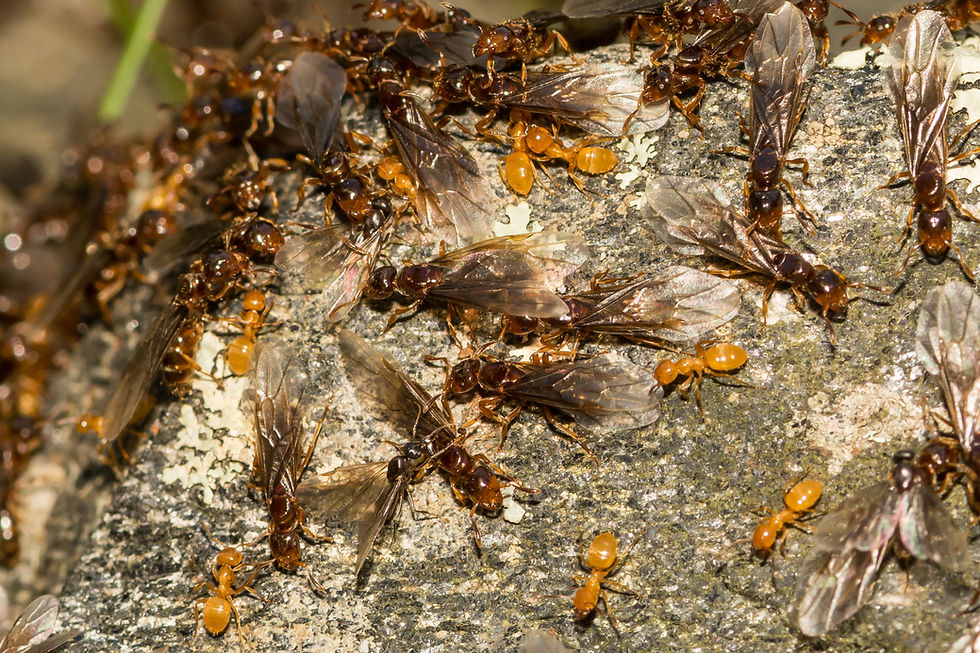
Young queens fly with two pairs of wings. Once mated, a queen bites or rubs them off and goes looking for a nest site. A queen that has already shed her wings is the one you want, because it usually means she has mated. Look for tiny dark bumps or scars on the thorax where the wings were attached.
Not certain which species you have, or whether she actually mated? That uncertainty is exactly why many keepers skip the guesswork — more on that below.
What to Do in the First Hour After Catching a Queen
Handle her like she is made of glass
Never pinch, squeeze or grab a queen with your fingers. Put a test tube or small container in front of her and let her walk in on her own, nudging gently with a soft brush, a leaf or a card if you need to. Then close it without shaking.
Small containers heat up fast, so keep her shaded and out of direct sun. Never leave her in a hot car or on a warm windowsill. Most beginners should collect no more than one to three queens — more than that and care usually slips.
Get her home and settled quickly
She has already burned through a lot of energy on her flight. The sooner she is in a proper test tube setup, the sooner she can start founding while she still has reserves to spend.
Queen Ant Test Tube Setup: Step by Step
What you need
A clean glass or plastic test tube (12 x 100mm or 16 x 100mm is ideal), cotton wool, a skewer to push it, mineral or purified water, and something to make it dark, such as foil or paper. Glass is easy to clean and see through; plastic is lighter and harder to break.
Build the water reservoir
Fill the tube about a third full with mineral, distilled or purified water only. Never use tap or rainwater, even boiled — both invite fungus, and fungus kills founding queens. Push a cotton ball down until it meets the water and forms a firm plug. Insert it in one smooth push so no air gap forms. This plug holds the water back and slowly releases moisture into the dry chamber where the queen will live.
Add the queen and seal it
Once she is inside, plug the open end with a second cotton ball — snug enough that she cannot escape, loose enough to let air through. Wrap most of the tube in foil or paper to keep it dark.
Where to keep her
A drawer or cupboard is perfect: dark, still and steady at 20 to 26°C. Keep her away from sunlight, radiators, speakers, washing machines and anywhere with foot traffic. Just a minute of direct sunlight can lift the temperature inside a small tube by around 5°C, which is enough to cook her.
Why Founding Is the Stage That Catches Beginners Out
Surviving the flight is one thing. Successfully raising a first brood is another, and it is where most wild-caught queens quietly fail. Some were never mated. Some are the wrong species for a beginner. Many are simply loved to death by an excited new keeper who cannot resist a peek.
If you would rather not leave it to chance, this is where a shop-bought colony earns its keep. Our fertile Lasius niger queens are correctly identified, confirmed to be laying, and covered by our live arrival guarantee. You skip the lottery and go straight to the fun part. And if you caught more queens than you can look after, our adoption page can help rehome the extras rather than lose them.
Caring for Your Queen During Founding
Claustral or semi-claustral: know which you have
This one decision changes everything. Most UK Flying Ant Day catches are black garden ants, and they are claustral — they need no food at all while founding, living entirely off the energy stored in their old flight muscles and body fat until the first workers appear. A smaller number of species are semi-claustral and do need feeding from day one. If you are unsure which you are dealing with, our guide to claustral or semi-claustral queens breaks it down.
Feeding: less is more
For a claustral black garden ant queen, the correct amount of food during founding is none. Do not open the tube. The moment her first workers (called nanitics) emerge, feeding begins: offer a small amount of protein jelly and a tiny drop of organic honey twice a week, always in the outworld, never in the nest. Remove anything uneaten after two days so it cannot go mouldy.
Watching the eggs develop
A claustral queen usually lays her first eggs within a few weeks. In black garden ants, eggs hatch into larvae in about 21 to 28 days, then take another 30 to 35 days to become adults. Check by eye through the glass once a week at most. Do not open her up to look.
Healthy versus struggling
A settled queen sits quietly with a neat pile of brood. A queen who keeps eating her eggs is telling you something is wrong, and it is almost always too much disturbance, the wrong temperature, or vibration. The fix is nearly always the same: leave her alone.
The Payoff: A Pet That Can Outlive Your Dog
Here is why the patience is worth it. A black garden ant queen has been recorded living just short of 29 years in the lab — the longest lifespan of any social insect ever documented. The workers around her live a year or two and are constantly replaced, but the queen you are nursing through a test tube today could still be laying eggs when
today’s puppies are long gone.
That is a genuinely remarkable pet, and it is worth setting up properly rather than watching a decades-long colony fail in a jam jar. If you want the full picture of just how long these colonies can run, see our piece on queen ant lifespan.
When to Move Her Into a Formicarium
Keep her in the test tube until the colony reaches at least ten workers. Moving a young colony too early is one of the most common ways beginners lose a queen. Once she has ten or more, she is ready for a proper nest.
Our Lucas starter kit is built for exactly this moment — a black garden ant colony ready to grow into a full formicarium, with the right nest, outworld and feeding setup from the start. For the full transfer method, follow our step-by-step guide on how to set up your live queen ant farm, and read the full Lasius niger care guide so you know what to expect through the seasons.
The Bottom Line
Catch her carefully, tube her correctly with clean water, keep her dark and warm, and above all, leave her alone. Do that, and those first tiny workers will arrive, and one of the longest-lived pets in the world is yours to watch grow.
Prefer certainty over chance? Start with a confirmed, guaranteed fertile Lasius niger queen and skip straight to the good bit.
FAQs
What should I do immediately after catching a queen ant?
Guide her gently into a ventilated container — never pinch or squeeze her — and keep her cool, dark and out of the sun. Once home, move her promptly into a test tube setup with a clean water reservoir so she can begin founding while she still has energy to spare.
How can I tell the ant I caught is actually a queen?
A queen has an enlarged, muscular thorax and is two to three times larger than a worker. Look for wing scars (small dark bumps on the thorax) or shed wings and a plump, rounded gaster. A queen that has already dropped her wings has usually mated, which is exactly what you want.
Do flying ants disappear after Flying Ant Day?
Flying Ant Day is really a season, not a single day. Most UK sightings fall in July and August. After mating, the queens land, shed their wings and search for a nest site to found a colony, while the males die shortly after mating.
When should I start feeding my queen?
If she is a claustral black garden ant queen, not until her first workers appear does she survive on stored body reserves during founding. Once workers emerge, offer a little protein jelly and a tiny drop of organic honey twice a week in the outworld. Feeding a claustral queen too early causes stress and lost eggs.
How long until the first workers appear?
Usually two to four months, depending on species and temperature. In black garden ants, eggs hatch in about 21 to 28 days and reach adulthood in another 30 to 35 days. Keep her at 20 to 26°C and resist the urge to check, and the first nanitics will come.