Ultimate Care Guide for Pheidole Noda Ants in Best Ants UK Ant Farms

Are you ready to embark on an extraordinary journey into the world of Pheidole Noda Ants? These remarkable Big-Headed Ants represent one of nature’s most fascinating examples of social organisation and polymorphism. At Best Ants UK, we’ve been helping enthusiasts successfully raise these incredible creatures for over 23 years, and we’re excited to share our expertise with you.
Learning how to care for Pheidole Noda ants requires understanding their unique tropical origins and specialised needs. These Asian natives bring incredible energy and complex behaviours to any ant-keeping setup, but they also demand precise environmental control and dedicated attention. Whether you’re starting your first Pheidole colony or optimising your current setup, this guide will equip you with everything you need for success.
Understanding Big-Headed Ants and Their Unique Requirements

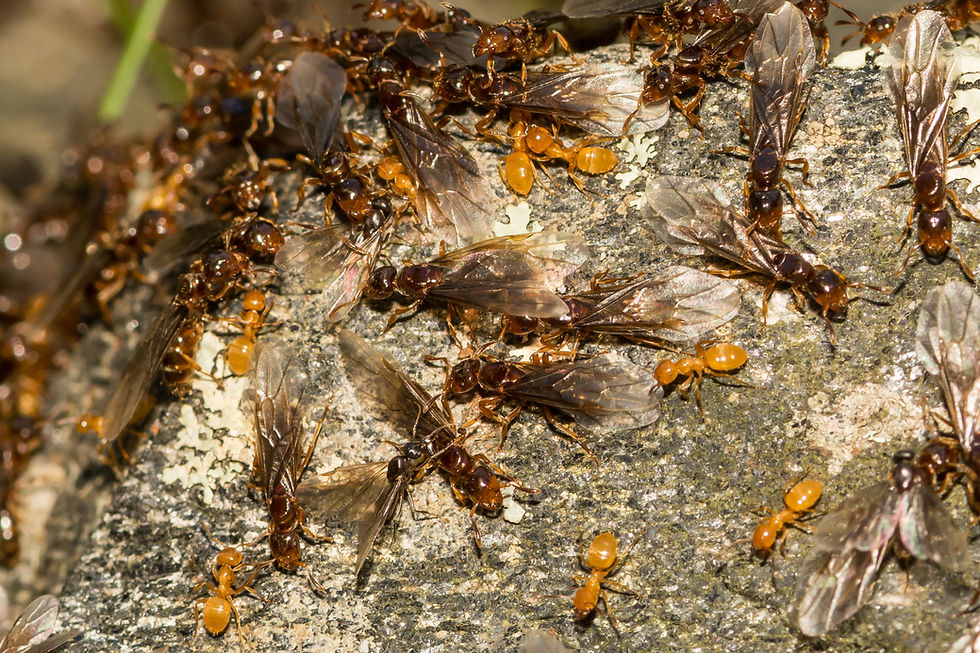
The world of Big-Headed Ants opens up fascinating possibilities for dedicated ant enthusiasts. Pheidole Noda Ants showcase one of nature’s most dramatic examples of worker polymorphism, with their distinctive soldier caste featuring heads nearly three times larger than regular workers. This remarkable adaptation allows colonies to efficiently process food, defend territories, and maintain complex social structures that rival any civilisation.
What makes these ants truly special extends beyond their physical characteristics. Their aggressive feeding behaviour creates spectacular displays as workers coordinate with soldiers to overwhelm food sources. We’ve observed colonies swarm prey items with military precision, demonstrating the army-like conduct that makes them so captivating to watch. However, this same intensity means they require experienced handling and bulletproof escape prevention measures.
Unlocking the secrets of Pheidole Noda behaviour is key to mastering the art of antkeeping! These fascinating ants stay active all year round, unlike the native UK species that take a winter nap. Thanks to their tropical roots, they flourish in warm, steady temperatures and can quickly falter if it gets too chilly. Their nonstop activity offers endless entertainment, but it also requires a dedicated commitment to maintaining the perfect environment.
Essential Pheidole Ant Care Techniques for Success
Successful Pheidole Ant Care begins with recognising that these aren’t beginner-friendly ants. We always recommend gaining experience with hardy species like Lasius Niger or Messor Barbarus before attempting Pheidole Noda Ants. Their escape artistry, environmental sensitivity, and aggressive nature require confidence and experience that come from successfully maintaining easier colonies first.
The foundation of proper care rests on understanding their tropical requirements. These ants originate from the warm, humid forests of Central and South Asia, where temperatures rarely drop below 20°C and humidity remains consistently high. Recreating these conditions in UK homes requires dedicated equipment and constant monitoring. We guarantee that investing in proper environmental control makes the difference between a thriving colony and a struggling one.

Temperature management demands precision that many underestimate. You’ll need two heating mats to create proper gradients - one maintaining the nest area at 24-28°C and another keeping the outworld at 21-30°C. This temperature differential allows natural thermoregulation and encourages proper foraging behaviour. Single heating mat setups simply cannot provide the environmental complexity these sophisticated ants require.
Humidity control is another significant challenge. The nest area should maintain a humidity level of 70-80% to ensure proper brood development, whereas the outworld can remain at typical UK home humidity levels of 50-60%. This is the average humidity in a UK home, so there is no need to moisturise the substrate in the outworld. This gradient helps prevent dehydration stress while avoiding mould issues that commonly affect tropical ant setups. Consistent monitoring with reliable hygrometers is crucial for achieving long-term success.
Creating the Perfect Pheidole Noda Habitat

Designing an optimal Pheidole Noda Habitat involves balancing multiple environmental factors while providing room for natural behaviours. Our Ant Farm Kit A7 Plus Starter Set offers an excellent foundation for beginning colonies, featuring proper ventilation, easy access for maintenance, and compatibility with essential heating equipment. As colonies grow, the A7 Plus provides additional space and complexity that mature colonies appreciate.
For those seeking the ultimate display setup, our Natural Eco Ant Farm Formicarium creates stunning naturalistic environments where Pheidole Noda Ants can express their full range of behaviours. However, we recommend caution with seed feeding in natural setups due to germination risks in the high-humidity environment these ants require. The combination of warmth and moisture can turn harmless seeds into problematic sprouts that disrupt colony organisation. You must use a feeding dish to prevent seeds from germinating!
Escape prevention cannot be overstated in importance. These 2.5-4mm workers will exploit any gap, crack, or weakness in your setup. PTFE Fluon barriers represent your primary defence - apply a 2-3cm band around the outworld perimeter and reapply every 1-3 months. We’ve seen too many colonies lost to inadequate barriers, and prevention is infinitely easier than recapture attempts.
Ventilation requires a careful balance between airflow and humidity retention. Adequate air circulation prevents mould growth and maintains air quality, but excessive ventilation can drop humidity below critical levels. Mesh panels work better than solid covers, allowing air exchange while maintaining the tropical microclimate these ants need to thrive.
Optimising Your Pheidole Noda Diet Plan
The Pheidole Noda Diet requires variety and consistency to support their high-energy lifestyle and rapid colony growth. These omnivorous ants need both carbohydrates for immediate energy and proteins for brood development and soldier production. Under optimal feeding conditions, colonies can grow from a few dozen workers to several thousand in just 12-18 months.
Carbohydrate sources should include organic ant honey or honey water as the primary sugar source, supplemented with fresh fruits like bananas and grapes, cut into appropriate sizes. Our specialised ant jellies provide convenient nutrition with extended shelf life, perfect for maintaining consistent feeding schedules. Always provide liquids on cotton balls to prevent drowning - these small ants can easily become trapped in any liquid droplets.
Protein requirements increase dramatically as colonies mature and soldier production ramps up. Small insects like fruit flies work perfectly for younger colonies, while mature colonies can handle chopped crickets, mealworms, and other larger prey items. Our Cricket Mash offers a convenient all-in-one solution containing carbohydrates, proteins, vitamins, and minerals without the awful smell and the contamination risks associated with any live food or wild-caught insects.
Feeding frequency depends on colony size and growth stage. Small colonies with 30-50 workers need feeding once weekly, while larger colonies require 2-3 feeding sessions per week. The key lies in providing appropriate portions that get consumed within 24-48 hours. Uneaten food must be removed after 2 days maximum to prevent mould growth in the high-humidity environment.
Advanced Colony Management Strategies
Wrangling a bunch of mature Pheidole Noda colonies is like trying to manage a tiny ant soap opera with all their drama and turf wars. These little critters are pros at setting up satellite nests all over their ant town, with workers running back and forth like they're late for a meeting.
Once the colony is large enough, give them a few small nest modules linked by tubing, instead of moving them to a bigger nest, and you'll be the proud owner of an ant metropolis! Plus, it helps you keep tabs on their ant antics and make sure everyone's playing nice.
Colony expansion timing becomes critical for maintaining healthy populations. Watch for workers clustering around nest entrances, increased aggression during feeding, or attempts to establish satellite nests in the outworld. These signs indicate the colony has outgrown its current space and needs additional nest modules. Expansion should happen gradually to avoid stressing the colony during transitions.
Seasonal considerations affect colony management even though these ants don’t hibernate. Queens may reduce egg-laying during natural “winter” periods, leading to temporary population stabilisation. This natural cycle shouldn’t cause concern - maintain consistent environmental conditions and feeding schedules, and egg production will resume as seasonal cues change.
Multi-queen colony management presents unique challenges and rewards. Starting with 3-5 queens creates faster growth and more resilient colonies, but also increases food requirements and territorial complexity. Multi-queen colonies can reach 20,000+ workers under optimal conditions, requiring substantial space and feeding commitments that single-queen colonies don’t demand.
Troubleshooting Common Problems with Pheidole Noda Ants
Even experienced keepers encounter challenges when managing these demanding ants. Mould growth represents the most common problem, typically resulting from overfeeding combined with high humidity requirements. Prevention involves disciplined feeding practices, adequate ventilation, and immediate removal of any visible mould growth. Both mould and fungus are hazardous to most ant species, making prevention far preferable to treatment.
Escape attempts usually indicate environmental stress or inadequate barriers.
Valuable advice: Avoid providing them with small food courses or chopping live food into tiny pieces, as they may bring them into the nest, leading to significant issues with fungus. These creatures tend to be negligent regarding waste management.
Check temperature and humidity levels first, then inspect all potential escape routes. Pheidole Noda Ants become more determined escape artists when conditions aren’t optimal, so addressing root causes prevents recurring problems. Remember that escaped workers won’t survive long in UK conditions, but prevention protects both your colony and local ecosystems.
Dehydration stress is evident through lethargic movement, clustering around water sources, or unusual behavioural changes. These tropical ants need multiple water sources and consistent humidity levels to ensure optimal physiological function. Implementing additional cotton ball water stations and monitoring humidity levels effectively resolves dehydration issues swiftly.
Aggressive behaviour toward keepers usually stems from nest disturbances or food competition. Although these ants cannot bite humans effectively due to their small mandibles, their swarming response can be intimidating. Use feeding tweezers for all maintenance activities and avoid unnecessary nest disturbances to minimise defensive reactions.
Q&A Section: Your Pheidole Noda Questions Answered
Q: Are Pheidole Noda Ants suitable for beginners, or should I start with a different species?
A: We strongly recommend gaining experience with beginner-friendly species first. Pheidole Noda Ants require precise environmental control, effective escape prevention, and understanding of their aggressive nature. Start with hardy species like Lasius Niger, Lasius Flavus, or Messor Barbarus to build your skills. Once you’ve successfully maintained a colony for 12+ months and understand humidity control, temperature regulation, and feeding schedules, then you’ll be ready for the exciting challenge these Big-Headed Ants present.
Q: How quickly do Pheidole Noda colonies grow, and when will I see soldiers?
A: Under optimal tropical conditions with temperatures at 24-28°C and proper humidity, development from egg to adult takes approximately 28-35 days. You’ll typically see your first distinctive big-headed soldiers when the colony reaches 50-100 workers, usually within 6-12 months of starting. Single-queen colonies can reach 5,000 workers, while multi-queen colonies may exceed 20,000 members. The polymorphism becomes truly spectacular as soldier numbers increase - their heads can be three times larger than regular workers!
Q: What’s the most challenging aspect of keeping Pheidole Noda Ants?
A: Escape prevention tops the list of challenges. These 2.5-4mm workers are notorious escape artists who’ll exploit any gap in your setup. PTFE Fluon barriers aren’t optional - they’re absolutely essential. The second major challenge involves maintaining precise tropical conditions year-round. You’ll need two heating mats for proper temperature gradients and constant humidity monitoring. Many keepers underestimate the commitment required for consistent environmental control, but we guarantee proper equipment makes all the difference.
Q: Can I keep Pheidole Noda Ants in a natural setup with soil and plants?
A: Our Natural Eco Ant Farm Formicarium creates beautiful naturalistic displays, but exercise caution with seeds in high-humidity environments.
Due to their 75%+ nest humidity requirements and warm temperatures, seeds like sesame, chia, and millet may germinate and cause problems. If you choose a natural setup, avoid seed feeding and use non-germinating decorative elements. The visual appeal is stunning, but successful natural setups require more experience and careful plant selection.
Q: How often should I feed my Pheidole Noda colony?
A: Feeding frequency depends on colony size and growth stage. Small colonies with 30-50 workers need feeding once weekly, while larger colonies require 2-3 sessions per week. These ants have substantial appetites, especially the major workers with their large heads and powerful mandibles. Provide balanced nutrition, including organic honey for carbohydrates and small insects for protein. Best Ants UK Protein Jelly offers convenient all-in-one nutrition with carbohydrates, proteins, vitamins, and minerals without contamination risks.
Q: Do Pheidole Noda Ants bite or sting humans?
A: Pheidole Noda Ants don’t sting, and while they may attempt to bite if you disturb their nest, their mandibles are too small to penetrate human skin effectively. However, they display genuine aggression toward other insects, and during feeding, their swarming behaviour and army-like coordination are impressive to witness. This aggressive nature makes them fascinating to observe, but also means they’re not suitable for handling like some calmer species. Always use feeding tweezers during maintenance to avoid triggering defensive responses.
Q: What equipment do I absolutely need for Pheidole Noda Ants?
A: Essential equipment includes a suitable formicarium (Best Ants UK Ant Farm Kit A7 Starter Set or A7 Plus works excellently), two heating mats for proper temperature gradients, PTFE Fluon for escape prevention, and reliable humidity/temperature monitoring equipment. You’ll also need feeding tweezers and cotton balls for liquid feeding. Budget £80-100 for initial setup costs, with monthly ongoing expenses of £3-10 for food and maintenance supplies. Quality equipment pays for itself through colony health and longevity.
Q: Can Pheidole Noda Ants survive UK winters without heating?
A: Absolutely not! These tropical ants from Central and South Asia cannot survive UK temperatures and don’t naturally hibernate. If temperatures drop below 20°C, they may enter an unnatural dormant state that weakens the colony. This is why releasing them into UK environments is both illegal and pointless - they simply wouldn’t survive our climate. You’ll need consistent heating year-round using two heating mats to maintain their tropical paradise and keep them active and healthy.
Q: How do I prevent mould growth while maintaining high humidity?
A: Mould prevention requires balancing humidity with proper ventilation and disciplined feeding practices. Never feed directly into the nest - always use the outworld only. Remove uneaten food after 2-3 days maximum, provide multiple small water sources rather than large water features, and ensure adequate airflow while maintaining humidity levels. Regular cleaning of the outworld and immediate removal of any visible mold keeps your colony healthy. Both mould and fungus are hazardous to most ant species, making prevention crucial.
Q: When should I expand my Pheidole Noda setup?
A: Watch for clear expansion signals: workers clustering around nest entrances, increased activity levels, or attempts to create satellite nests in your outworld. Generally, when colonies reach 500-800 workers, it’s time to consider expansion. These ants naturally create multiple nesting chambers in the wild, so they appreciate modular setups that grow with them. Start with smaller formicariums and add connected modules as needed. Planning expansion before it becomes urgent prevents stress-related problems and escape attempts.
Q: What are the most common health issues with Pheidole Noda Ants?
A: Most health problems stem from environmental stress rather than disease. Watch for unusual lethargy, slow movement, or changes in their normally high-energy behaviour - these often indicate temperature or humidity issues. Dehydration is particularly serious for this species, so ensure multiple water sources are always available. If you notice workers with discolouration or avoiding certain nest areas, check the environmental conditions immediately. Maintaining stable tropical conditions prevents most health issues and supports the full 8-10 year queen lifespan.
Q: Are there legal restrictions on keeping Pheidole Noda Ants in the UK?
A: It’s perfectly legal to purchase, keep, and breed Pheidole Noda Ants in the UK, available from authorised dealers at £19.99. However, you have strict legal obligations - never release these non-native ants into the wild, as this violates UK nature conservation laws and carries serious legal consequences. You’re responsible for preventing environmental release through proper escape prevention systems. If you can no longer care for your colony, contact us for return options - we take back colonies to ensure responsible ownership throughout your ant-keeping journey.
Q: How do Pheidole Noda Ants compare to other popular ant species?
A: Compared to beginner species like Lasius Niger, Pheidole Noda Ants are more sensitive, faster-growing, and don’t hibernate, but they’re also escape-prone and require tropical conditions. Versus Messor Barbarus, they’re more aggressive with higher protein needs but display more dramatic polymorphism. Compared to other Pheidole species like P. pallidula, they’re more demanding with larger potential colony sizes. They offer unique advantages through dramatic soldier-worker differences and engaging behaviours, but demand more attention than most beginner species.
Q: What makes Pheidole Noda Ants worth the extra effort compared to easier species?
A: The rewards justify the challenges for dedicated enthusiasts. Their dramatic polymorphism creates living displays of evolutionary adaptation, with soldiers using massive heads as living doors and food processors. Their aggressive feeding behaviour and army-like coordination provide endless entertainment and educational value. Year-round activity means constant engagement without hibernation complications. The complex social behaviours, satellite nest formation, and rapid colony growth offer insights into advanced ant biology that simpler species can’t match. For experienced keepers ready for the challenge, they represent the pinnacle of ant-keeping achievement.
Key Takeaways
Environmental Control is Non-Negotiable: Success with Pheidole Noda Ants depends entirely on maintaining precise tropical conditions. Two heating mats, consistent humidity monitoring, and year-round temperature control aren’t optional extras - they’re fundamental requirements. These tropical ants cannot survive UK conditions and require dedicated environmental management to thrive.
Escape Prevention Saves Colonies: These notorious escape artists will exploit any weakness in your setup. PTFE Fluon barriers represent your primary defence and must be maintained religiously. Quality formicarium construction, tight-fitting lids, and regular barrier inspection prevent the heartbreak of lost colonies and protect UK ecosystems from non-native species introduction.
Experience Before Ambition: While Pheidole Noda Ants offer incredible rewards, they’re not suitable for beginners. Master easier species like Lasius Niger or Messor Barbarus first to build essential skills in humidity control, feeding schedules, and colony management. The investment in learning fundamentals pays dividends when you’re ready for these more demanding tropical ants.
Feeding Discipline Prevents Problems: Balanced nutrition supports rapid growth and dramatic polymorphism, but overfeeding leads to mould problems in high-humidity environments. Feed appropriate portions 1-3 times weekly, depending on colony size, remove uneaten food within 2-3 days, and provide liquids on cotton balls to prevent drowning accidents.
Long-term Commitment Brings Rewards: With proper care, Pheidole Noda queens live 5-8 years in captivity, making this a significant long-term commitment. The investment in quality equipment, consistent care, and environmental control rewards dedicated keepers with years of fascinating observations, dramatic colony growth, and insights into complex social behaviours that simpler species cannot provide.
Legal Responsibility Matters: Keeping these non-native ants legally in the UK comes with serious responsibilities. Never release them into wild environments - it’s illegal and ecologically irresponsible. Proper containment protects both your investment and UK ecosystems while allowing you to enjoy these remarkable creatures safely and responsibly.
Ready to begin your journey with these extraordinary Big-Headed Ants? Visit our live ants collection to explore Pheidole Noda Ants and complete starter setups. Our team of experts is always happy to assist you with choosing the right equipment and providing ongoing support throughout your ant-keeping adventure. Join our community of passionate antkeepers and discover the joy of raising these remarkable tropical ants with Best Ants UK - your trusted partner for over 23 years in the fascinating world of ant-keeping!