
Ant Farm Science Experiments for Kids: 10 Safe Observations and Projects for Home and School
- Apr 25
- 21 min read
Updated: 2 days ago

What You'll Discover
These 10 ant farm experiments turn watching ants into a proper scientific discovery. Your children will learn essential science skills whilst observing fascinating insect behaviour that most people never notice.
• Ants make clever food choices together - Food preference tests show how colonies pick the best nutrition through chemical signals, not random guessing.
• Temperature controls everything ants do - Warmer conditions (27-32°C) speed up tunnel building and their whole metabolism, whilst cooler temperatures (10-16°C) slow down all colony activities dramatically.
• Working together beats working alone - Large ant groups successfully navigate obstacle courses 80% of the time through teamwork and clever problem-solving.
• Ants talk in multiple ways - They combine scent trails, touch, vibrations, and special sounds to share detailed information about food and dangers.
• Perfect soil moisture creates amazing tunnels - Black ants prefer around 15% water content (around 90% Relative Humidity (RH) for stable tunnel construction, showing how they engineer their environment.
These experiments teach patience and observation skills whilst revealing how social insects build complex societies without a boss. Each project gives children real insights into animal behaviour and cooperation that they can understand and apply.
Did you know that ants can lift 10 to 50 times their body weight? Scientists have identified over 15,700 ant species, and educational ant farms for kids help children see teamwork, life cycles, and problem-solving right before their eyes. These ant experiments develop patience whilst teaching respect for nature's ecosystems. We've designed 10 safe, engaging projects you can try with an ant farm kit, formicarium, or any setup at home or school. Whether you observe feeding behaviour or watch tunnel construction, these activities give you firsthand knowledge of ant anatomy and social structures.
Ant Farm Science Experiments for Kids - Important Safety Rules Before You Start
Before you begin any classroom or home project, make sure your colony is stable, well-settled, and housed in a safe setup. For the complete arrival and assembly process, follow our How to Set Up Your Live Queen Ant Farm guide before trying any experiment.
• Never disturb a newly arrived colony for a project straight away. Let the ants acclimate first, keep them in darkness, and avoid handling the setup too often.
• Keep the nest away from direct sunlight, radiators, strong lamps, vibration, and loud household equipment. Stable room conditions matter more than bright display locations.
• Feed only small amounts and always remove leftovers. For safe feeding ideas, see What Do UK Ants Eat? and always work through the outworld only.
• Use proper nests and starter kits made for long-term keeping rather than toy gel farms. Our Ant Farm Kits with Ants collection and Educational Ant Farms for Kids guide are strong starting points for children, schools, and home education.
• If your project includes soil or substrate work, read Why Natural Substrate Matters for Your Ant Farm first so children understand the difference between safe habitat design and novelty ant farms.
Observing Ant Food Preferences and Foraging Behaviour

Watch your ants make decisions that rival the best supermarket shoppers! Food preference experiments reveal the fascinating world of collective intelligence, where thousands of individuals somehow choose the right nutrition without a single meeting or discussion.
What You'll Need for This Experiment
You'll want to create a proper testing station with four to six different food types. Sweet temptations work brilliantly - honey, sugar, or fruit juice will do the trick. Protein sources like cheese, meat and tuna, or peanut butter provide the building blocks your ants need. Don't forget carbohydrates such as crackers, cooked rice, or granola bars.
For those wanting to push the boundaries, try flavoured sugars. Mix plain sugar with salt, cayenne pepper, or powdered lemonade mix - you might be surprised by what your colony prefers! A piece of tin foil or bottle lids makes perfect serving dishes, especially if you use different colours for easy identification. Grab a permanent marker, notebook, pencil, and measuring spoons. Plain water serves as your control element.
How to Set Up Your Food Station
Start by locating an active ant colony in your garden or playground. We always recommend avoiding reddish-coloured ants - they pack quite a sting! Mark each lid clearly with the food type using your permanent marker.
Place roughly equal amounts of each food in separate lids - about one-quarter teaspoon works perfectly. Position these buffet stations an equal distance from the ant colony, keeping them several feet from your house to avoid uninvited dinner guests! Space the lids close enough for easy observation but far enough apart to see clear preferences.
If you're working with an ant farm kit, place food samples around substrate edges. Timing matters here - set up when you can return for regular checks.
What to Observe and Record
Check your food station after 20 minutes, then return hourly. Which food draws the first visitors? Count or estimate ant numbers at each source. One fascinating study found Cheetos attracted 400 ants at home locations but only 21 at school.
Watch how ants transport food pieces. Do they follow identical routes repeatedly? Once a food site becomes established, more ants typically appear - this demonstrates pheromone trail strength building over time. Try moving a food item an inch sideways and observe how quickly your workers relocate their prize.
Record patterns daily for one week. Those well-worn paths exist because ants deposit chemical signals alerting colony-mates about quality food sources.
Ant Farm Science Experiments for Kids - Key Learning Outcomes
Your observations reveal that ants make sophisticated food selection based on nutritional needs rather than random wandering. The strength of pheromone trails directly relates to food quality - black garden ants demonstrate this beautifully.
Students discover that foragers balance social information from nestmates with personal exploration experiences. Those brief antennal touches between returning and outgoing workers? They're exchanging detailed information about food type and source richness.
Ant farm science experiments for kids: This experiment perfectly demonstrates how individual decision-making operates within larger social structures, showing children the delicate balance between exploring new opportunities and exploiting known resources.
Following Pheromone Trails and Communication Patterns
Ever wondered how ants create those perfect highways between their nest and food sources? These chemical trails work like invisible motorways, becoming stronger with each ant that travels along them. Watch your colony communicate through pheromone trails, and you'll witness one of nature's most elegant coordination systems.
What You'll Need for This Observation
Look for an active outdoor colony where you can position food at specific distances. Gather a metre stick, three pieces of filter paper or index cards, three microscope slides, and roughly 3 grammes of appealing food - ant honey or sugar water works brilliantly. A watch with a second hand proves essential for timing. Graph paper helps you map the study area properly. Planning to observe your indoor formicarium? Prepare a clear surface where individual ant movements become visible.
How to Set Up the Trail Experiment
Find yourself an active outdoor ant colony. Larger species make observation much easier, though common field ants work perfectly for this project. Position food samples at 20 centimetres, 40 centimetres, and 60 centimetres from the colony entrance. Place each food portion on a microscope slide sitting atop filter paper - this clever setup prevents greasy substances from soaking through whilst keeping everything steady on windy days.
Draw a simple map showing food locations and the colony. Position yourself close enough for continuous observation without blocking ant movement. Here's where it gets fascinating: when an ant discovers food, she circles the area whilst tapping her abdomen tip to the ground, then heads home, continuing this tapping motion. She's laying a chemical trail from food back to the nest, alerting nestmates through excited antennal brushes and jerky movements upon arrival.
What to Observe and Record
Note the time when the first worker discovers each food location. Record how long recruitment takes for subsequent workers to arrive - patience rewards you here! Within 15 minutes, firm trails typically begin establishing. Steady streams become visible after one hour.
Track the arrival time for each group of 10 foragers at every location. You'll notice geometric increases in forager numbers - it's quite remarkable, really. At the 20-centimetre site, approximately 30 minutes may pass before the tenth ant arrives, whilst within 45 minutes, 30 ants join the trail.
Is your child struggling with calculations? Need a maths tutor online?
We recommend Best Maths Tutor

Watch how ants form lanes along scent trails, reducing collisions between workers. Ants travelling in one direction tend to stay on one side, whilst those moving oppositely use the other side. This ant highway code emerges on particularly busy routes - nature's own traffic management system! Record when each food source becomes exhausted. Ants detect trails by tapping their antennae on the ground.
Key Learning Outcomes
Students discover that ant species employ multiple communication methods beyond simple trail-following. Tandem running involves a successful forager leading one recruit. Mass foraging decouples recruitment from guidance, with pheromone trails providing routes whilst recruitment occurs through other behaviours.
Ant farm science experiments for kids: Trail-following ants encode memory externally in pheromone systems rather than individual brains - imagine storing your shopping list on the pavement instead of your phone! Short-lived pheromones (approximately 30 minutes) guide foragers to rewarding sites, whilst longer-lived pheromones can persist for several days, creating networks explored daily. Some species even deploy repellent pheromones on unrewarding branches immediately after trail bifurcations. Clever little engineers, aren't they?
Temperature Effects on Ant Activity Levels
Ever wondered why ants disappear during winter but seem to rush about frantically on hot summer days? These remarkable insects are cold-blooded creatures, which means their body temperature and activity levels depend entirely on their surroundings. This experiment reveals the fascinating connection between climate and ant behaviour right in your own home.
What You'll Need for This Project
You'll need two identical ant farm kits or formicarium setups with similar numbers of worker ants. Gather two thermometers, a heat lamp with a secure stand, a small frozen water bottle, and a one-litre plastic bottle (cut to hold the frozen water bottle). Don't forget measuring equipment for tracking tunnel depth and a notebook for daily recordings. Include identical food portions for each farm - a biscuit or half a grape works brilliantly. Graph paper helps visualise your results in a way that makes the differences crystal clear.
How to Set Up the Temperature Test
Start by constructing both ant farm habitats before adding your ants, ensuring each contains identical substrate depth. Position both farms on the same side of the room where they receive equal ambient light. Place one farm near a heat lamp positioned at a safe distance until the thermometer reads around 26°C. Safety first! Never allow children near the heat lamp, as burns occur easily. Adjust the farm's distance gradually until you find the perfect spot.
For the second farm, insert the frozen water bottle inside the cut one-litre bottle and position it within or beside the habitat. This clever setup should maintain temperatures between 10°C and 16°C. Monitor both thermometers regularly and replace the frozen bottle as needed.
What to Observe and Record
Here's where the magic happens! Measure tunnel depth daily at the same time in both farms. You'll be amazed - warmer temperatures make ants burrow at a significantly faster rate. Record these measurements in your notebook and transfer them to a graph, connecting daily dots to visualise the remarkable digging speed differences.
Count or weigh remaining food weekly. Warmer ants require more food because they work faster. If using grapes, count how many each farm consumes. Watch general activity levels closely. The difference is quite striking!
Ant farm science experiments for kids: Ants at higher temperatures increase their excavation activities and build deeper nests. Colonies exposed to medium and high temperatures excavated larger and deeper nests than those at mild temperatures. Continue observations for one week minimum, though longer periods reveal more dramatic patterns that will genuinely surprise you.
Key Learning Outcomes
Your young scientists will discover that ants are ectotherms whose metabolic rate increases with warmth. Temperature determines when and where ants forage. Warmer temperatures boost their energy and encourage foraging, whereas colder temperatures force them into survival mode. Most ant species remain active only within specific temperature ranges, with no activity observed below approximately 15°C or above 32°C.
This experiment demonstrates how climate change might accelerate ant development and alter ecosystem dynamics. Pretty remarkable for such tiny creatures, don't you think?
Light vs Dark: What Your Ants Really Prefer When Building Their Underground Cities
Most people think ants love the dark, and they're mostly right! Underground nests keep ant colonies comfortable, but here's something fascinating - light exposure actually changes how they build their tunnels. This experiment reveals exactly how different lighting affects their construction choices.
Everything You Need to Get Started
You'll want two identical ant farm kits or formicarium setups if you buy an ant farm for children in the UK. Gather matching amounts of substrate (sand or sand-loam works brilliantly), equal numbers of worker ants for each habitat, a string or measuring tape, a dry-erase marker, a ruler, and a digital camera. Don't forget red philtre paper or cellophane, plus a dark cupboard or box large enough to house one farm. Prepare identical food and water supplies for both colonies - consistency matters here!
Setting Up Your Twin Habitats
Fill both ant farms with ant sand at exactly the same depths. Check those lids fasten tightly before adding ants - nobody wants escapees! Place one ant farm next to a window receiving natural daylight. Position the second farm inside a dark cupboard or cover it completely with a lightproof box. Here's an interesting twist: you could wrap one habitat with red philtre paper, though ants actually detect red wavelengths contrary to popular belief.
Feed both colonies using identical schedules. Moisture levels prove absolutely critical here - bright light reduces substrate moisture and weakens tunnel stability. Check moisture daily and add water droplets equally to both farms.
What to Watch For (This Gets Exciting!)
Photograph both ant farms daily at precisely the same time. Measure tunnel length using a string laid along visible passages, then measure that string with your ruler. Mark already measured tunnels with a dry-erase marker on the exterior acrylic - this prevents double-counting.
Record measurements for 14 days minimum. One fascinating experiment found that natural light conditions produced 180 centimetres of tunnels, complete darkness yielded 167 centimetres, whilst constant bright light resulted in only 113 centimetres. Ants kept in darkness actually dug more tunnels and built more soil mounds than those exposed to continuous light!
Watch for collapsed tunnels - these indicate moisture problems or the wrong substrate used (like the playpit sand), rather than lighting effects. Count visible workers at the acrylic surface hourly to track activity patterns.
What Your Young Scientists Will Discover
Students discover that ants adapt brilliantly to different light conditions based on their species and individual jobs within colonies. Brood-tenders and foragers respond quite differently to identical lighting - brood-tenders work well under both red light and total darkness, whilst foragers show reduced activity under red light.
Ant farm science experiments for kids: Most ants actually navigate using chemical and tactile senses rather than vision, which explains how nocturnal species function perfectly without light. Bright lighting stresses colonies when introduced suddenly, though gradual exposure allows adaptation without harm.
Trust the professionals - these observations reveal just how sophisticated ant societies really are!
Wet vs Dry: Testing Ant Engineering Skills
Did you know that ants are some of nature's most skilled engineers? Soil moisture makes all the difference between successful tunnel construction and complete excavation failure. Watch your ants choose their ideal building conditions - the results will amaze you!
What You'll Need for This Project
Ready for some hands-on engineering observation? Prepare two identical clear plastic containers (formicariums), roughly 10-15 centimetres in diameter and 10 cm in height. You'll need dry ant sand, distilled water, measuring cups, a spray bottle, weighing scales, tweezers, a timer, and worker ants from the same colony. Don't forget materials for gentle tunnel stability tests - a ruler and soft brush work perfectly.
Important: Avoid using playpit sand, as it has been treated with a high concentration of chemicals that can be harmful to live ants. This is why ants are not typically found foraging in children's sand pits.
How to Set Up the Soil Comparison
Here's where the magic begins! Fill one container with completely dry ant sand. For the second container, create a moistened substrate by mixing sand with water until slightly damp. Research shows ants prefer soil with approximately 14% water content, which occurred in ~40% of experimental choices. Calculate this by weighing dry sand first, then adding water gradually whilst measuring moisture as a percentage of total weight.
Introduce equal numbers of worker black ants into both containers simultaneously. Position containers side by side under identical lighting and temperature conditions. This isolates moisture as your only variable - perfect scientific method in action!
What to Observe and Record
How long does it take ants to construct tunnels measuring 2.5 centimetres in each substrate? Which group starts digging first? Ants typically begin excavation faster in moderately moist conditions - patience pays off here! Watch for differences in tunnel depth and complexity during 48-hour observation periods.
Studies reveal that infiltration rates in areas with ant nests reach approximately 20 times higher than in areas without nests. Examine tunnel stability by gently tapping containers. Ants coat tunnel walls with secretions, making passages impermeable to water and remarkably stable.
Record whether tunnels collapse in dry sand versus moist substrate. Monitor if ants continue excavating upward when approaching water. Research demonstrates that workers stop digging approximately 12 millimetres below water interfaces. This behaviour prevents nest flooding - clever little engineers! Count soil pellets removed from each container, as excavation rates vary considerably according to moisture content.
Key Learning Outcomes
Your young scientists discover that moderate soil moisture proves optimal for ant engineering. Excessively dry substrates create brittle, unstable tunnels, whilst overly wet conditions prevent digging altogether. Ants create macropores through burrowing that increase water infiltration and soil aeration.
Species such as Argentine ants require moist soil for survival, with irrigation increasing nest abundance by ~50% after three months. This experiment demonstrates how ants function as ecosystem engineers, modifying soil properties through their construction activities. Fascinating stuff!
Watching Your Ants Grow: Life Cycles and Development

Have you ever wondered how your tiny ant farm inhabitants transform from microscopic eggs into busy workers? This experiment reveals one of nature's most remarkable processes - complete metamorphosis. Patience proves essential here, as development from egg to adult takes approximately 8 to 12 weeks, depending on species and ambient temperatures. Trust us, the wait rewards you with unforgettable moments.
What You'll Need for This Observation
Start with a formicarium designed for life cycle observation, preferably with a transparent top for clear visibility. You absolutely need a colony containing a queen ant, as she produces all eggs within the colony. Alternatively, buy an ant farm for children in the UK that includes a starter colony with brood at various stages. Gather a magnifying glass or hand lens for examining tiny eggs, a ruler for measuring developmental changes, a digital camera for weekly documentation, and a notebook for tracking emergence dates and growth patterns.
How to Set Up Your Ant Farm with Ants
Establish your colony during spring or summer when queens lay eggs most actively. Starting from a single queen? House her in a test tube setup where she raises her first worker offspring. Here's a fascinating fact - this founding stage represents the only time a queen performs work beyond laying eggs! After the colony produces 10 to 20 workers, transfer the entire group into your formicarium. Maintain optimal temperature between 22°C and 26°C, as ambient temperatures directly affect development speed. Colonies fed well and kept slightly above room temperature develop faster. Provide consistent moisture!
What to Observe and Record
Lasius niger queens lay tiny white eggs around 0.3–0.5 mm in size. These eggs are slightly sticky, allowing workers to carry them in batches of ~12.
After around 10–20 days (depending on temperature), the eggs hatch into small white larvae. These legless larvae are fed by workers using regurgitated food and protein-rich liquids.
Over the next 2–3 weeks, the larvae grow larger and prepare to pupate. Unlike some species, Lasius niger larvae spin clear silk cocoons, forming the classic brown pupae many beginners recognise.
Inside the cocoon, the ant develops fully—legs, antennae, and adult body structure.
After another 2–3 weeks, the first workers emerge pale and soft. Within hours, they darken to the familiar black colour as their exoskeleton hardens.
The full development cycle from egg to first worker usually takes around 6–8 weeks under good conditions. Amazing, isn't it?
At lower temperatures around 22 degrees Celsius, egg to adult can take up to 12 weeks or even more over the winter. Eggs laid in October, just before the hibernation period (November to April), do not develop at all. It's like a super slow-motion video. Eggs will develop normally after April/May.
What You'll Discover

Your young scientists discover that caste determination depends on larval nutrition. Workers receive normal food intake, soldiers get increased feeding, and future queens consume significantly more food as larvae. Queens can live for up to 3 decades, workers survive several months to a year, whilst males die shortly after mating. Age determines worker roles, with newly emerged ants tending the queen and brood deep within the nest before progressing to construction, foraging, and finally colony defence as they age. This experiment teaches patience whilst revealing the incredible organisation within ant societies.
Discovering How Ants Talk to Each Other: The Secret Language Tests
Did you know that ants have developed their own sophisticated communication system that puts our mobile phones to shame? These tiny creatures chat through multiple channels - touch, vibrations, sounds, and chemical messages. Testing which senses your ant colony relies on most reveals fascinating secrets about how thousands of workers coordinate without a single manager in sight.
What You'll Need for This Communication Experiment
Find yourself an active ant colony outdoors, or use your established ant farm with live ants. You'll need a magnifying glass for getting up close with your observations, a thin object like a pencil tip or small twig, your trusty notebook for recording their reactions, and a stopwatch. Make sure you can watch the ants without disturbing their natural behaviour too much - we want to see how they really communicate!
Setting Up Your Gentle Ant Communication Tests
Position yourself comfortably near an ant trail or foraging area where workers are moving about actively. You'll perform four different sensory tests, but give the ants time to settle between each trial - nobody likes being stressed during an interview!
For sight testing, wave a pencil end close to individual ants without making contact. Test their hearing by clapping your hands several feet away from the group. Examine touch sensitivity by gently tapping the ground several inches from workers with your finger or stick. For smell detection, blow very gently towards ants from a safe distance.
Here's where it gets really interesting. Ants produce sounds through stridulation, made by rubbing abdomen segments together, which alerts colony-mates about the quality of leaves or danger. Besides pheromones detected via their antennae, vibrations travel through nests when workers drum their mandibles or use their abdomens. Leafcutter ants create stridulations on leaves, signalling that pieces await transport. Hair-like organs called sensilla on an ant's legs detect these vibrations.
What to Watch For and Record
Document which tests produce the strongest reactions - you might be surprised! Ants rely heavily on touch and smell via their antennae for communication. Watch whether workers touch antennae together, exchanging chemical information during their encounters. It's like they're having a quick chat about the day's events.
Record reaction times and movement changes following each stimulus type. Note whether sight or hearing tests generate responses, as most species navigate primarily through chemical and tactile senses rather than what we might expect.
What Your Young Scientists Will Discover

Your children will discover that ants employ multimodal communication, combining pheromones with stridulation simultaneously. Red wood ants communicate distant food locations using antennal code alone. Those antennae contain sensilla that detect pheromone molecules through specialised sensory hairs.
This experiment reveals the remarkable communication complexity within social insect colonies. Trust us - once you see how ants coordinate their activities through multiple sensory channels, you'll never look at these tiny engineers the same way again!
Mapping Tunnel Construction with Time-Lapse Photography
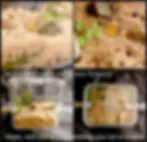
Time-lapse photography turns your ant farm into a miniature documentary studio! Days of careful excavation become minutes of mesmerising footage, revealing construction secrets that your naked eye simply cannot catch. Recording your ant farm kit shows engineering patterns that happen too slowly for real-time observation.
What You'll Need for This Project
You'll need a camera capable of interval shooting - a smartphone with time-lapse apps works brilliantly for most ant farm observations. Position your formicarium against a neutral background to make those tunnels really pop on camera. Gather a small and stable tripod or camera mount, external lighting if needed, and plenty of storage space for hundreds of images. Pop a ruler against the glass to provide scale reference in your photographs.
How to Set Up Your Camera System
Mount your camera roughly one foot above the ant farm entrance. For side-view tunnel documentation, position the lens perpendicular to the glass surface. Configure your camera to capture images every 60-120 seconds. This interval perfectly captures construction progress without creating excessive files that clog your storage. Harvester ants given fresh sand created elaborate tunnel systems photographed at this rate over 24-hour periods. Keep lighting consistent throughout recording sessions - fluctuating brightness creates distracting flickers in final videos. Secure all cables well away from the habitat.
What to Observe and Record
Tunnels reveal themselves as complex labyrinths. Track excavation rates by measuring tunnel length between frames. Notice whether workers construct chambers at specific depths or distances from the surface. Ants navigate these dark passages using antennae rather than vision. Record which areas get the heaviest traffic and whether certain tunnels become abandoned over time. Compile your images into video format using free software, accelerating 24 hours into captivating 30-second clips.
Key Learning Outcomes
Young scientists discover that tunnel construction follows deliberate patterns supporting the queen and brood. This documentation method teaches patience whilst demonstrating how small incremental changes produce substantial results, reinforcing problem-solving skills through hands-on STEM education.
Recording Ant Colony Roles and Social Structure

Did you know that ant colonies operate like perfectly organised societies without any central management? Each worker knows exactly what job to do! Watching these social hierarchies unfold within your formicarium reveals one of nature's most fascinating examples of teamwork and specialisation.
What You'll Need for This Observation
You'll want an ant farm with ants that includes a queen - she's the heart of the whole operation. We recommend a formicarium with transparent sides so you can see everything clearly. Gather some coloured dots or non-toxic paint markers for tagging individual workers, a magnifying glass for close-up observations, a notebook with separate columns for different castes, and a camera to document their interactions. Trust us, you'll want to capture these moments!
How to Set Up Your Formicarium
Establish your colony with one queen and approximately 100 workers. Position the habitat where you can observe comfortably without causing disturbance - ants work best when they feel secure. Here's a clever trick: mark different workers with colour codes based on where you first spot them. Those workers bustling around near the queen get one colour, whilst the adventurous foragers heading out for food get another colour entirely.
What to Observe and Record
Queens appear noticeably larger than workers and remain central within nest chambers - she's easy to spot once you know what to look for! Workers vary considerably in size, with some focusing entirely on brood care whilst others become dedicated foragers. Soldiers/majors, present in certain species, display impressively larger heads and stronger mandibles - nature's security team! Track which individuals consistently stay near the brood versus those who venture out to food sources. Here's something remarkable: workers spend 80% of their lives affiliated with either nurse or forager communities. Once they choose their role, they rarely switch!

In the wild, the incredibly massive soldier ants, like the Matabele species, display an extraordinary resilience! After a fierce battle with the formidable termites, if they lose a leg, they transform into brood carriers. How amazing is that?
Key Learning Outcomes
Students discover that colonies naturally segregate into two distinct social communities: nurses and foragers. This division of labour emerges even in surprisingly small groups, demonstrating how cooperation enhances colony efficiency without any central leadership whatsoever. We find this absolutely fascinating - thousands of individuals working together perfectly without a single manager telling them what to do!
Conclusion
These experiments transform simple observation into genuine scientific discovery, regardless of whether you tackle food preferences, pheromone trails, or cooperative problem-solving. Each project develops patience whilst teaching children about ecosystems, communication, and social structures through hands-on exploration. Without doubt, the best part involves watching real-time engineering and decision-making unfold inside your formicarium.
Ready to start your own investigations? By all means, buy an ant farm for children in the UK and begin exploring these fascinating insects today. Pick one experiment that sparks your curiosity, gather your materials, and let the observations begin. Your young scientists will gain skills that extend far beyond the ant farm itself.
FAQs
Q1. How long does it take for ants to develop from eggs to adults in an ant farm?
The complete development from egg to adult ant typically takes between 8 and 12 weeks, depending on the species and ambient temperature. Eggs hatch into larvae after 7 to 14 days, larvae develop for 13 to 28 days whilst undergoing three moults, and then they transform into pupae before finally emerging as adult ants. Warmer temperatures generally speed up this developmental process.
Q2. What temperature range is best for keeping ants active in an ant farm?
Most ant species remain active within temperatures between 16°C and 26°C, with optimal activity occurring between 22°C and 26°C. Ants are cold-blooded insects, so their metabolic rate and activity levels increase with warmth. Below 16°C, ants become sluggish and may stop foraging entirely, whilst temperatures above 26°C can be harmful to the colony.
Q3. Do ants prefer to build tunnels in light or dark conditions?
Ants generally prefer darker conditions for tunnel construction, as this more closely mimics their natural underground environment. Studies show that colonies kept in darkness or low light dig more tunnels and build more soil mounds compared to those exposed to continuous bright light. However, ants can adapt to various lighting conditions and primarily navigate using chemical and tactile senses rather than vision.
Q4. What moisture level is ideal for ants to build stable tunnels?
Ants prefer soil with approximately 14% water content for optimal tunnel construction. Moderately moist substrate allows them to excavate stable tunnels that won't collapse, whilst completely dry sand creates brittle, unstable passages. Excessively wet conditions prevent digging altogether, and ants will typically stop excavating about 12 millimetres below water interfaces to prevent nest flooding.
Q5. How do ants communicate with each other in a colony?
Ants use multiple communication methods, including chemical pheromones, touch, vibrations, and sounds. They deposit pheromone trails to guide nestmates to food sources, touch antennae together to exchange chemical information, and produce sounds through stridulation (rubbing body segments together) to alert others about danger or quality resources. Their antennae contain specialised sensory hairs that detect these various signals, enabling complex coordination within the colony.
Q6. Which ant species are best for children's science experiments?
For most families and schools, beginner-friendly species such as Lasius niger and Messor barbarus are the safest and most rewarding choices. They are easier to observe, more forgiving of beginner mistakes, and well-suited to structured classroom or home observation.
Q7. Can I run these experiments with a very small founding colony?
Yes, but keep the project gentle. Very small colonies should not be stressed, overheated, or forced to move. With founding colonies, the best projects are quiet observation activities such as brood development logs, food preference notes, and simple tunnel tracking rather than repeated handling.
Q8. How often should children check the ants during a science project?
Brief, regular checks work best. Once or twice a day is usually enough for active projects, and some observations, such as brood changes, are best recorded once daily at the same time. Constant peeping can stress the queen and distort the experiment itself.
Q9. Can gel ant farms be used for ant science experiments?
No. Gel farms are poor long-term habitats and are not suitable for serious educational observation. A proper ant farm, formicarium, or test tube setup gives more reliable humidity, safer living conditions, and much better scientific results.
Q10. What should I do if mould appears during an ant farm experiment?
Remove leftover food immediately, reduce feeding quantities, and review humidity and ventilation. Small amounts of harmless staining can happen over time, but fluffy food mould should never be left in the setup because it can threaten colony health and spoil the experiment.
Q11. Do ants need direct sunlight during science experiments?
No. Ants do not need direct sunlight on the nest. Bright sun can overheat the setup very quickly, especially small colonies and test tube foundations. Keep the colony in a stable room-temperature place and let children observe it without exposing the nest to sudden heat spikes.