
Free Ant Care Sheets for UK Ant Keepers
Every Best Ants UK care sheet is free to download as a PDF and written by our team, keeping ants since 1997. Use the search and filters below to find your species by difficulty or origin, then download its care sheet for temperature, humidity, feeding and setup advice. Feed protein-rich food as your species needs, remove leftovers after 2 days, and use distilled or purified water only.
It is the responsibility of the purchaser to ensure they have undertaken enough research to be able to look after the insects and provide them with the correct conditions.

83 species
Best Selling Ant Starter Kits
Our Ant Starter Kits include everything you need to get started, including a sturdy and spacious ant farm, a supply of high-quality food, and of course, a selection of some of the best live ant species available in the UK.


Ant Species Care Summaries
Last reviewed October 2026 by the Best Ants UK team, keeping ants since 1997. Every summary below matches the downloadable care sheet for that species.
──────────────────────────────
Best Ants for Beginners | Care Sheets
Our best-selling species and the easiest place to start: hardy, forgiving and perfect for a first ant farm.
Lasius niger | Black Garden Ant
The perfect first ant: a hardy UK native that thrives at normal room temperature, never stings and suits complete beginners and families.
Level: Beginner | Origin: UK & Europe | Temperature: 20–26°C | Humidity: 75–85% | Workers before nest: 10+
Feeding: Protein Jelly and organic honey twice a week, in the outworld only. Winter: No heating needed. Hibernation is optional, and only at a steady 10°C; otherwise keep the colony at room temperature.
Download the Lasius niger care sheet (PDF) | Read our Lasius niger care guide | Shop Lasius niger queens and colonies
──────────────────────────────
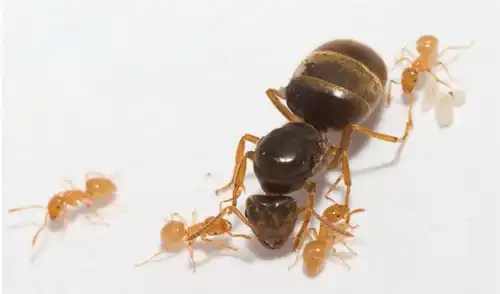
Lasius flavus | Yellow Meadow Ant
A gentle, golden UK native that lives mostly underground — calm, easy to keep and completely harmless.
Level: Beginner | Origin: UK & Europe | Temperature: 20–24°C | Humidity: 60–70% | Workers before nest: 10+
Feeding: Protein Jelly and organic honey twice a week, placed close to the colony because they forage shyly. Winter: No heating needed. Hibernation is optional, and only at a steady 10°C.
Download the Lasius flavus care sheet (PDF) | Read our Lasius flavus care guide | Shop Lasius flavus queens and colonies
──────────────────────────────
Messor barbarus | Harvester Ant
The harvester ant: a giant queen, workers in three sizes and non-stop seed collecting. One of the very best species to start with.
Level: Beginner | Origin: Spain & Portugal | Temperature: 20–26°C | Humidity: 65–75% | Workers before nest: 10+
Feeding: About 15 seeds per fortnight for a 30-ant colony, Protein Jelly once a week and organic honey once a week. Never open water. Winter: No hibernation. Keep them at normal room temperature, never below 17°C. A heat mat is optional, from late September, and only if the room falls below 15°C.
Download the Messor barbarus care sheet (PDF) | Read our Messor barbarus care guide | Shop Messor barbarus queens and colonies
──────────────────────────────
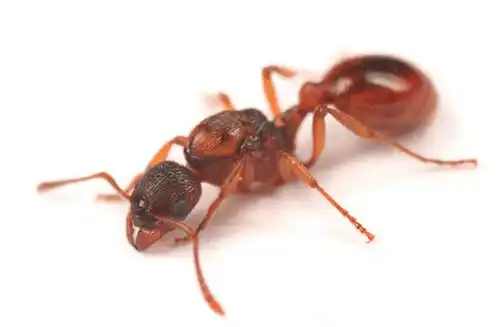
Myrmica rubra | European Red Ant
A busy UK native red ant that grows fast with several queens. Easy to keep, but it can sting, so it suits older keepers best.
Level: Beginner | Origin: UK & Europe | Temperature: 21–24°C | Humidity: High | Workers before nest: 10+
Feeding: Protein Jelly and organic honey twice a week, in the outworld only. Winter: Development slows from December to February whatever the temperature; switch any heating mat off from 1 December to 28 February.
Download the Myrmica rubra care sheet (PDF) | Read our Myrmica rubra guide | Shop Myrmica rubra queens and colonies
──────────────────────────────
UK Native Ants | Care Sheets
Formica fusca | Silky Ant
A fast, alert UK native and a brilliant hunter. Big for a British ant, quick to grow and hugely rewarding to watch.
Level: Beginner | Origin: UK & Europe | Temperature: 20–26°C | Humidity: 50–70% | Workers before nest: 10+
Feeding: Protein Jelly or Cricket Mash plus organic honey twice a week — growing colonies are big protein eaters. Winter: No heating needed. Hibernation is optional, and only at a steady 10°C.
Download the Formica fusca care sheet (PDF) | Read our British ant species guide | Shop Formica fusca queens and colonies
──────────────────────────────
Formica rufibarbis | Red-Barbed Ant
A striking, sun-loving hunter, easy to recognise by its light red thorax between a blackish head and gaster. In Britain it survives in only a few warm, sandy heathland sites and is on the Red List, so our Formica rufibarbis are imported from Asia, where they are thriving.
Level: Beginner | Origin: UK & Europe | Temperature: 21–24°C | Humidity: 60–70% | Workers before nest: 10+
Feeding: Protein Jelly or Cricket Mash plus organic honey or Ant Nectar twice a week, in the outworld only. Winter: No heating needed. Hibernation is optional, and only at a steady 10°C; otherwise keep the colony at room temperature.
Download the Formica rufibarbis care sheet (PDF) | Read our British ant species guide | Shop Formica rufibarbis queens and colonies
──────────────────────────────
Temnothorax nylanderi | Acorn Ant
A whole colony small enough to live inside an acorn! Acorn ants are gentle, peaceful and avoid conflict with other ants, so keep each colony in its own setup — never in a multi-colony farm.
Level: Beginner | Origin: UK & Europe | Temperature: 22–26°C | Humidity: 60–70% | Workers before nest: 10+
Feeding: Tiny portions of Protein Jelly and organic honey or Ant Nectar twice a week — a drop the size of half a grain of rice is plenty. Winter: No heating needed. Hibernation is optional: from December to March acorn ants can winter in an unheated UK shed or garage, even below 0°C.
Download the Temnothorax nylanderi care sheet (PDF) | Read our British ant species guide | Shop Temnothorax nylanderi queens and colonies
──────────────────────────────
Tetramorium caespitum | Pavement Ant
A tough, busy little ant that thrives right alongside people — the name comes from its habit of nesting under paving slabs.
Level: Beginner | Origin: UK & Europe | Temperature: 21–27°C | Humidity: 40–60% | Workers before nest: 10+
Feeding: Protein Jelly or Cricket Mash plus organic honey or Ant Nectar twice a week, in the outworld only. Winter: No heating needed. Hibernation is optional, and only at a steady 10°C; otherwise keep the colony at room temperature.
Download the Tetramorium caespitum care sheet (PDF) | Read our British ant species guide | Shop Tetramorium caespitum queens and colonies
──────────────────────────────
Formica cunicularia | Tunnel Ant
A handsome, active Formica that builds small earth mounds in sunny, open places. Workers hunt live and dead prey and farm aphids for their sweet honeydew.
Level: Intermediate | Origin: UK & Europe | Temperature: 22–25°C | Humidity: 60–70% | Workers before nest: 10+
Feeding: Protein Jelly or Cricket Mash plus organic honey or Ant Nectar twice a week, in the outworld only. Winter: No heating needed. Hibernation is optional, and only at a steady 10°C; otherwise keep the colony at room temperature.
Download the Formica cunicularia care sheet (PDF) | Read our British ant species guide | Shop Formica cunicularia queens and colonies
──────────────────────────────
Formica rufa | Red Wood Ant
The famous wood ant that builds the big needle mounds in British woodland. Red wood ants are fast, fearless and always on the move, and a growing colony has a huge appetite.
Level: Advanced | Origin: UK & Europe | Temperature: 22–25°C | Humidity: 50–60% | Workers before nest: 10+
Feeding: Protein Jelly or Cricket Mash plus organic honey or Ant Nectar twice a week, in the outworld only. Winter: No heating needed. Hibernation is optional, and only at a steady 10°C; otherwise keep the colony at room temperature.
Download the Formica rufa care sheet (PDF) | Read our red wood ant article | Shop Formica rufa queens and colonies
──────────────────────────────
Formica sanguinea | Blood-Red Slave-Maker Ant
One of the most fascinating ants in Britain: Formica sanguinea raids the nests of other Formica species, carries home their pupae and raises them as helpers in its own colony.
Level: Advanced | Origin: UK & Europe | Temperature: 20–25°C | Humidity: 60–70% | Workers before nest: 10+
Feeding: Protein Jelly or Cricket Mash plus organic honey or Ant Nectar twice a week, in the outworld only. Winter: No heating needed. Hibernation is optional, and only at a steady 10°C; otherwise keep the colony at room temperature.
Download the Formica sanguinea care sheet (PDF) | Read our British ant species guide | Shop Formica sanguinea queens and colonies
──────────────────────────────
Solenopsis fugax | Thief Ant
The cunning thief ant earns its name: in the wild it tunnels into the nests of bigger ants, raids their food stores and steals their larvae.
Level: Advanced | Origin: UK & Europe | Temperature: 21–28°C | Humidity: 60–70% | Workers before nest: 10+
Feeding: Tiny portions of Protein Jelly and organic honey or Ant Nectar twice a week — a drop the size of half a grain of rice is plenty. Winter: Keep the nest warm in the active season. Hibernation is optional, and only at a steady 10°C; otherwise keep the colony at room temperature.
Download the Solenopsis fugax care sheet (PDF) | Read our thief ant article | Shop Solenopsis fugax queens and colonies
──────────────────────────────
European Ants | Care Sheets
Camponotus aethiops | Carpenter Ant
A sleek, black carpenter ant that is active both by day and at night. Workers vary hugely in size, and the colony can be slow to get going before it builds up impressive numbers.
Level: Beginner | Origin: Southern Europe | Temperature: 21–25°C | Humidity: 50–70% | Workers before nest: 3+ (5+ ideal)
Feeding: Organic honey or Ant Nectar plus Cricket Mash or Protein Jelly twice a week, in the outworld only. Winter: A natural winter rest from late November to February at room temperature, never below 15°C.
Download the Camponotus aethiops care sheet (PDF) | Read our European carpenter ant guide | Shop Camponotus aethiops queens and colonies
──────────────────────────────
Camponotus barbarucus | Carpenter Ant
One of the largest carpenter ants in Europe, with a shiny black gaster and a reddish-brown body. In the wild colonies nest in soil, under stones and in decaying stumps, often with satellite nests.
Level: Beginner | Origin: S. Europe & N. Africa | Temperature: 24–26.5°C | Humidity: 40–60% | Workers before nest: 3+ (5+ ideal)
Feeding: Organic honey or Ant Nectar plus Cricket Mash or Protein Jelly twice a week, in the outworld only. Winter: A natural winter rest from late November to February at room temperature, never below 15°C.
Download the Camponotus barbarucus care sheet (PDF) | Read our European carpenter ant guide | Shop Camponotus barbarucus queens and colonies
──────────────────────────────
Camponotus cruentatus | Giant Mediterranean Carpenter Ant
A giant Mediterranean carpenter ant with a striking red and black body — impressive, robust and beginner-friendly.
Level: Beginner | Origin: Southern Europe | Temperature: 24–28°C | Humidity: 50–60% | Workers before nest: 3+ (5+ ideal)
Feeding: Organic honey or Ant Nectar plus Cricket Mash twice a week. Winter: A natural winter rest from late November to February at room temperature, never below 15°C.
Download the Camponotus cruentatus care sheet (PDF) | Read our European carpenter ant guide | Shop Camponotus cruentatus queens and colonies
──────────────────────────────
Camponotus ligniperda | European Carpenter Ant
One of the largest ants in Europe, with shiny black bodies and reddish-brown legs. In the wild it nests in dead trees, stumps and under stones in mixed and deciduous woodland.
Level: Beginner | Origin: Central Europe | Temperature: 20–26°C | Humidity: 50–70% | Workers before nest: 3+ (5+ ideal)
Feeding: Organic honey or Ant Nectar plus Cricket Mash or Protein Jelly twice a week, in the outworld only. Winter: A natural winter rest from late November to February. Full hibernation is optional, and only at a steady 10°C.
Download the Camponotus ligniperda care sheet (PDF) | Read our Camponotus ligniperda care guide | Shop Camponotus ligniperda queens and colonies
──────────────────────────────
Camponotus nylanderi | Carpenter Ant
A beautiful, adaptable carpenter ant — perfect for beginners who can give it a warm climate. Workers come in several sizes, and they love protein jelly.
Level: Beginner | Origin: Italy, Croatia & Morocco | Temperature: 22–28°C | Humidity: 50–60% | Workers before nest: 3+ (5+ ideal)
Feeding: Organic honey or Ant Nectar plus Cricket Mash or Protein Jelly twice a week, in the outworld only. Winter: A natural winter rest from late November to February at room temperature, never below 15°C.
Download the Camponotus nylanderi care sheet (PDF) | Read our European carpenter ant guide | Shop Camponotus nylanderi queens and colonies
──────────────────────────────
Camponotus sylvaticus | Carpenter Ant
A big, beautiful Iberian carpenter ant named for its habit of nesting in old or rotten tree trunks. They have long legs and are extremely fast, so take care when feeding them and keep the PTFE band fresh.
Level: Beginner | Origin: Spain & Portugal | Temperature: 22–26°C | Humidity: 50–70% | Workers before nest: 3+ (5+ ideal)
Feeding: Organic honey or Ant Nectar plus Cricket Mash or Protein Jelly twice a week, in the outworld only. Winter: A natural winter rest from late November to February at room temperature, never below 15°C.
Download the Camponotus sylvaticus care sheet (PDF) | Read our European carpenter ant guide | Shop Camponotus sylvaticus queens and colonies
──────────────────────────────
Messor bouvieri | Harvester Ant
A spectacular harvester with a huge size range — its biggest majors are almost as large as the queen. Like all Messor, it lives on seeds, mills them into “ant bread” and gets nearly all of its water from its food.
Level: Beginner | Origin: Iberia & S. France | Temperature: 21–27°C | Humidity: 60–70% | Workers before nest: 10+
Feeding: Seeds are the main diet, plus Protein Jelly once a week and organic honey once a week. Never open water. Winter: No hibernation. Keep them at normal room temperature over winter, never below 17°C; a heat mat from late September helps the brood.
Download the Messor bouvieri care sheet (PDF) | Read our harvester ant guide | Shop Messor bouvieri queens and colonies
──────────────────────────────
Messor capitatus | Harvester Ant
Impressive in size and strength, Messor capitatus is a highly productive harvester with sleek black workers and big-headed majors.
Level: Beginner | Origin: Italy & Balkans | Temperature: 21–26°C | Humidity: 60–70% | Workers before nest: 10+
Feeding: Seeds are the main diet, plus Protein Jelly once a week and organic honey once a week. Never open water. Winter: No hibernation. Keep them at normal room temperature over winter, never below 17°C; a heat mat from late September helps the brood.
Download the Messor capitatus care sheet (PDF) | Read our harvester ant guide | Shop Messor capitatus queens and colonies
──────────────────────────────
Messor minor | Harvester Ant
An easy, rewarding harvester from sandy, shrubby country. Messor minor eats mainly seeds from grasses and other plants, plus some insects.
Level: Beginner | Origin: S. Europe & N. Africa | Temperature: 23–28°C | Humidity: 60–70% | Workers before nest: 10+
Feeding: Seeds are the main diet, plus Protein Jelly once a week and organic honey once a week. Never open water. Winter: No hibernation. Keep them at normal room temperature over winter, never below 17°C; a heat mat from late September helps the brood.
Download the Messor minor care sheet (PDF) | Read our harvester ant guide | Shop Messor minor queens and colonies
──────────────────────────────
Messor orientalis | Harvester Ant
A medium-sized harvester from dry, warm sandy-loam and shrub country. Minors care for the queen and brood, medias make “ant bread” and keep the nest clean, and majors guard the colony and crack the toughest seeds.
Level: Beginner | Origin: SE Europe to C. Asia | Temperature: 24–26°C | Humidity: 60–70% | Workers before nest: 10+
Feeding: Seeds are the main diet, plus Protein Jelly once a week and organic honey once a week. Never open water. Winter: No hibernation. Keep them at normal room temperature over winter, never below 17°C; a heat mat from late September helps the brood.
Download the Messor orientalis care sheet (PDF) | Read our harvester ant guide | Shop Messor orientalis queens and colonies
──────────────────────────────
Messor structor | Harvester Ant
A classic, easy harvester that collects all kinds of small seeds and chews them into “ant bread”. Most of its water comes from seeds and insects, and it can drown in open water, so always use a watering test tube.
Level: Beginner | Origin: Southern Europe | Temperature: 21–26°C | Humidity: 50–70% | Workers before nest: 10+
Feeding: Seeds are the main diet, plus Protein Jelly once a week and organic honey once a week. Never open water. Winter: No hibernation. Keep them at normal room temperature over winter, never below 17°C; a heat mat from late September helps the brood.
Download the Messor structor care sheet (PDF) | Read our harvester ant guide | Shop Messor structor queens and colonies
──────────────────────────────
Messor wasmanni | Harvester Ant
A handsome dark harvester with long, slender legs. Messor wasmanni stores seeds in underground granaries and chews them into “ant bread”, which gives them most of their nutrients and nearly all of their water.
Level: Beginner | Origin: Southern Europe | Temperature: 22–26°C | Humidity: 60–70% | Workers before nest: 10+
Feeding: Seeds are the main diet, plus Protein Jelly once a week and organic honey once a week. Never open water. Winter: No hibernation. Keep them at normal room temperature over winter, never below 17°C; a heat mat from late September helps the brood.
Download the Messor wasmanni care sheet (PDF) | Read our harvester ant guide | Shop Messor wasmanni queens and colonies
──────────────────────────────
Tetramorium immigrans | Pavement Ant
The pavement ant of North American towns and cities, renamed from Tetramorium caespitum in 2017. Hardy, busy and quick to grow from a single queen.
Level: Beginner | Origin: Europe & N. America | Temperature: 21–27°C | Humidity: 40–60% | Workers before nest: 10+
Feeding: Organic honey or Ant Nectar plus Protein Jelly or pre-killed insects 2 to 3 times a week, in the outworld only. No food for a founding queen. Winter: Winter rest optional: cool gradually over 2 to 4 weeks to 5–10°C, then warm gradually in spring.
Download the Tetramorium immigrans care sheet (PDF) | Read our Tetramorium immigrans care guide | Shop Tetramorium immigrans queens and colonies
──────────────────────────────
Camponotus herculeanus | Hercules Ant
The Hercules ant is a giant of the northern forests, nesting in living and dead conifers, stumps and logs. Strong and impressive, it is built for cold winters, so a natural winter rest suits it best.
Level: Intermediate | Origin: N. & mountain Europe | Temperature: 20–25°C | Humidity: 50–70% | Workers before nest: 3+ (5+ ideal)
Feeding: Organic honey or Ant Nectar plus Cricket Mash or Protein Jelly twice a week, in the outworld only. Winter: A natural winter rest from late November to February. Full hibernation is optional, and only at a steady 10°C.
Download the Camponotus herculeanus care sheet (PDF) | Read our European carpenter ant guide | Shop Camponotus herculeanus queens and colonies
──────────────────────────────
Camponotus micans | Black Carpenter Ant
A strikingly beautiful carpenter ant from the warm, dry hills of the western Mediterranean. Fine pale hairs give its black body a shimmering look in the light.
Level: Intermediate | Origin: W. Mediterranean | Temperature: 24–28°C | Humidity: 50–60% | Workers before nest: 3+ (5+ ideal)
Feeding: Organic honey or Ant Nectar plus Cricket Mash or Protein Jelly twice a week, in the outworld only. Winter: A natural winter rest from late November to February at room temperature, never below 15°C.
Download the Camponotus micans care sheet (PDF) | Read our European carpenter ant guide | Shop Camponotus micans queens and colonies
──────────────────────────────
Crematogaster scutellaris | Mediterranean Acrobat Ant
The acrobat ant gets its name from its party trick: when alarmed, workers flip their pointed, heart-shaped gaster up over their head and release a defensive drop that calls nestmates to swarm the intruder.
Level: Intermediate | Origin: Mediterranean | Temperature: 24–28°C | Humidity: 50–70% | Workers before nest: 10+
Feeding: Protein Jelly or Cricket Mash plus organic honey or Ant Nectar twice a week, in the outworld only. Winter: A cool winter rest at around 12–15°C from December to February if you can hold it steady; otherwise normal room temperature.
Download the Crematogaster scutellaris care sheet (PDF) | Shop Crematogaster scutellaris queens and colonies
──────────────────────────────
Manica rubida | European Fire Red Ant
Big, bright and fearless: Manica rubida are omnivorous hunters and bold defenders of their territory, and a single queen can grow a colony of several hundred to a few thousand workers.
Level: Intermediate | Origin: European mountains | Temperature: 21–24°C | Humidity: 60–70% | Workers before nest: 10+
Feeding: Protein Jelly or Cricket Mash plus organic honey or Ant Nectar twice a week, in the outworld only. Winter: Hibernation is optional, and only at a steady 10°C; otherwise keep the colony at room temperature. Never a fridge, shed or garage.
Download the Manica rubida care sheet (PDF) | Read our Manica rubida care guide | Shop Manica rubida queens and colonies
──────────────────────────────
Pheidole pallidula | Big-Headed Ant
A Mediterranean big-headed ant with true soldiers that crack seeds. Tiny, quick workers, so a PTFE barrier is essential.
Level: Intermediate | Origin: Mediterranean | Temperature: 21–28°C | Humidity: 50–70% | Workers before nest: 30+
Feeding: Protein Jelly, organic honey and a few small seeds on tin foil, twice a week. Winter: No hibernation; keep the colony above 15°C, ideally 23–25°C.
Download the Pheidole pallidula care sheet (PDF) | Shop Pheidole pallidula queens and colonies
──────────────────────────────
Prenolepis nitens | European Honey Pot Ant
Europe's own honey pot ant. Some workers, called repletes, fill their gasters with sweet food until they swell like little amber beads, then hang in the nest as living food stores for the colony.
Level: Intermediate | Origin: South-east Europe | Temperature: 21–26°C | Humidity: 50–70% | Workers before nest: 10+
Feeding: Organic honey or Ant Nectar — this species can also have sugar water in a sugar-water dispenser — plus Protein Jelly twice a week. Winter: Hibernation is optional, and only at a steady 10°C; otherwise keep the colony at room temperature. Never a fridge, shed or garage.
Download the Prenolepis nitens care sheet (PDF) | Read our honeypot ant guide | Shop Prenolepis nitens queens and colonies
──────────────────────────────
Asian Ants | Care Sheets
Camponotus fedtschenkoi | Yellow Carpenter Ant
A striking golden-yellow carpenter ant from the dry lands of Central Asia. Easy to keep with no hibernation, and egg to worker takes just 4 to 6 weeks in a warm nest.
Level: Beginner | Origin: Central Asia | Temperature: 24–28°C | Humidity: 60–70% | Workers before nest: 3+ (5+ ideal)
Feeding: Organic honey or Ant Nectar plus Cricket Mash or Protein Jelly twice a week, in the outworld only. Winter: No hibernation; keep the colony at 24–28°C all year, never cold.
Download the Camponotus fedtschenkoi care sheet (PDF) | Read our Camponotus fedtschenkoi care guide | Shop Camponotus fedtschenkoi queens and colonies
──────────────────────────────
Camponotus japonicus | Japanese Carpenter Ant
A calm, glossy black giant from East Asia and one of the best display species in the hobby. Growth is slow at first, then the colony expands strongly year after year.
Level: Beginner | Origin: East Asia | Temperature: 24–28°C | Humidity: 50–70% | Workers before nest: 3+ (5+ ideal)
Feeding: Organic honey or Ant Nectar plus Cricket Mash or Protein Jelly twice a week, in the outworld only. Winter: A natural winter rest from late November to February. As an Asian species it must never drop below 15°C, resting or not; we recommend 17°C or above.
Download the Camponotus japonicus care sheet (PDF) | Read our carpenter ant guide | Shop Camponotus japonicus queens and colonies
──────────────────────────────
Camponotus nicobarensis | Asian Carpenter Ant
A fast-growing, forgiving Asian carpenter ant and one of the easiest exotic species to keep at home.
Level: Beginner | Origin: Southern China & Vietnam | Temperature: 24–28°C | Humidity: 50–70% | Workers before nest: 3+ (5+ ideal)
Feeding: Organic honey or Ant Nectar plus Cricket Mash twice a week; large colonies need far more protein. Winter: No hibernation. Never let the nest fall below 20°C, even in winter.
Download the Camponotus nicobarensis care sheet (PDF) | Read our Camponotus nicobarensis care guide | Shop Camponotus nicobarensis queens and colonies
──────────────────────────────
Camponotus turkestanus | Turkestan Carpenter Ant
A colourful golden carpenter ant from Central Asia and a close cousin of Camponotus fedtschenkoi. Queens lay eggs in batches of 3 to 12, and no hibernation is needed.
Level: Beginner | Origin: Central Asia | Temperature: 24–28°C | Humidity: 60–70% | Workers before nest: 3+ (5+ ideal)
Feeding: Organic honey or Ant Nectar plus Cricket Mash or Protein Jelly twice a week, in the outworld only. Winter: No hibernation; keep the colony at 24–28°C all year, never cold.
Download the Camponotus turkestanus care sheet (PDF) | Read our Camponotus fedtschenkoi care guide | Shop Camponotus turkestanus queens and colonies
──────────────────────────────
Crematogaster biroi | Asian Acrobat Ant
A bright golden acrobat ant from India and China. Unlike most of its relatives, which live in trees, it nests underground in simple chambers under stones and logs.
Level: Beginner | Origin: India & China | Temperature: 21–28°C | Humidity: 50–80% | Workers before nest: 10+
Feeding: Protein Jelly or Cricket Mash plus organic honey or Ant Nectar twice a week, in the outworld only. Winter: No hibernation; keep the colony at 21–28°C all year, never cold.
Download the Crematogaster biroi care sheet (PDF) | Shop Crematogaster biroi queens and colonies
──────────────────────────────
Polyrhachis dives | Asian Weaver Ant
A beautiful silvery-gold weaver ant with little spines on its back. Larvae spin silk that the workers use to bind moss, grass and twigs into ball-shaped nests.
Level: Beginner | Origin: South-east Asia | Temperature: 24–30°C | Humidity: 65–70% | Workers before nest: 10+
Feeding: Organic honey or Ant Nectar, Protein Jelly and live fruit flies twice a week. Winter: No hibernation; keep the colony at 24–30°C all year, never cold.
Download the Polyrhachis dives care sheet (PDF) | Read our Polyrhachis dives care guide | Shop Polyrhachis dives queens and colonies
──────────────────────────────
Tetramorium bicarinatum | Guinea Ant
A hardy, fast-growing species with a big appetite. Colonies have several queens and keep producing new ones, so a healthy colony can go on almost indefinitely.
Level: Beginner | Origin: Southeast Asia | Temperature: 24–28°C | Humidity: 65–75% | Workers before nest: 10+
Feeding: Protein Jelly or Cricket Mash plus organic honey or Ant Nectar twice a week, in the outworld only. Winter: No hibernation; keep the colony at 24–28°C all year, never cold.
Download the Tetramorium bicarinatum care sheet (PDF) | Read our Tetramorium bicarinatum care guide | Shop Tetramorium bicarinatum queens and colonies
──────────────────────────────
Camponotus auriventris | Golden-Bellied Carpenter Ant
A handsome tropical carpenter ant with fine silvery hairs that give the gaster a metallic sheen in the light. It comes from the warm south of China, so in a UK home it needs gentle heating to grow well.
Level: Intermediate | Origin: Tropical China | Temperature: 24–28°C | Humidity: 50–70% | Workers before nest: 3+ (5+ ideal)
Feeding: Organic honey or Ant Nectar plus Cricket Mash or Protein Jelly twice a week, in the outworld only. Winter: No hibernation; keep the colony at 24–28°C all year, never cold.
Download the Camponotus auriventris care sheet (PDF) | Read our Camponotus auriventris article | Shop Camponotus auriventris queens and colonies
──────────────────────────────
Camponotus parius | Golden Carpenter Ant
A beautiful black carpenter ant covered in shining golden hairs, very active by day and quick to grow. When a forager finds prey, it quickly calls nestmates to help.
Level: Intermediate | Origin: Southeast Asia | Temperature: 22–26°C | Humidity: 50–70% | Workers before nest: 3+ (5+ ideal)
Feeding: Organic honey or Ant Nectar plus Cricket Mash or Protein Jelly twice a week, in the outworld only. Winter: No hibernation; keep the colony at 22–26°C all year, never cold.
Download the Camponotus parius care sheet (PDF) | Read our carpenter ant guide | Shop Camponotus parius queens and colonies
──────────────────────────────
Camponotus singularis | Red-Headed Carpenter Ant
One of the most striking carpenter ants in the world: a bright red head on a black-grey body, with queens up to 20mm long.
Level: Intermediate | Origin: Southeast Asia | Temperature: 24–28°C | Humidity: 60–70% | Workers before nest: 3+ (5+ ideal)
Feeding: Organic honey or Ant Nectar plus Cricket Mash or Protein Jelly twice a week, in the outworld only. Winter: No hibernation; keep the colony at 24–28°C all year, never cold.
Download the Camponotus singularis care sheet (PDF) | Read our carpenter ant guide | Shop Camponotus singularis queens and colonies
──────────────────────────────
Pheidole flaveria | Yellow Big-Headed Ant
A tiny, bright yellow big-headed ant with chunky little majors. Colonies can have more than one queen, and they eat a lot once they grow.
Level: Intermediate | Origin: China | Temperature: 24–28°C | Humidity: 70–80% | Workers before nest: 30+
Feeding: Protein Jelly, organic honey and a few small seeds on tin foil, twice a week. Winter: A cooler winter rest from December to March at around 15–18°C, with food reduced to about a third.
Download the Pheidole flaveria care sheet (PDF) | Read our Pheidole noda care guide | Shop Pheidole flaveria queens and colonies
──────────────────────────────
Pheidole sinica | Giant Asian Big-Headed Ant
The largest Pheidole in Asia, with majors twice the size of those of Pheidole noda. These are bold raiders that hunt and swarm their opponents, and they eat a lot once the colony grows.
Level: Intermediate | Origin: China | Temperature: 24–28°C | Humidity: 60–70% | Workers before nest: 30+
Feeding: Protein Jelly, organic honey and a few small seeds on tin foil, twice a week. Winter: No hibernation; keep the colony at 24–28°C all year, never cold.
Download the Pheidole sinica care sheet (PDF) | Read our Pheidole noda care guide | Shop Pheidole sinica queens and colonies
──────────────────────────────
Anochetus risii | Small Trap-Jaw Ant
A miniature golden trap-jaw ant: calm, secretive and perfect for a small nest. Needs tiny live prey.
Level: Advanced | Origin: Southeast Asia & China | Temperature: 24–28°C | Humidity: 60–75% | Workers before nest: 10+
Feeding: Live prey is essential: offer tiny live prey (flightless fruit flies, springtails or the smallest cockroach nymphs) 2 to 3 times a week, in the outworld only, sized so one worker can overpower it. Between hunts, top up with NextSwarm Cricket Mash, plus a tiny drop of organic honey or Ant Nectar once a week. Winter: No hibernation; keep the colony at 24–28°C all year, never cold.
Download the Anochetus risii care sheet (PDF) | Read how trap-jaw ants evolved | Shop Anochetus risii queens and colonies
──────────────────────────────
Carebara affinis | Asian Marauder Ant
The lighter-coloured cousin of Carebara diversa, from tropical Southeast Asia, with the same care needs. Extremely polymorphic: minors of 2mm work alongside soldiers of 11mm.
Level: Advanced | Origin: Southeast Asia | Temperature: 27–29°C | Humidity: 90–100% | Workers before nest: 100+
Feeding: Protein Jelly or Cricket Mash three times a week, plus honey, chia seeds and plenty of live crickets once the colony is established. Winter: No hibernation; keep the colony at 27–29°C all year, never cold.
Download the Carebara affinis care sheet (PDF) | Read our Carebara diversa guide | Shop Carebara affinis queens and colonies
──────────────────────────────
Carebara diversa | Asian Marauder Ant
The famous Asian marauder ant: tiny minors, medium workers and huge majors in one colony, with a queen that can lay hundreds of eggs a day.
Level: Advanced | Origin: Southeast Asia | Temperature: 27–29°C | Humidity: 90–100% | Workers before nest: 100+
Feeding: Protein Jelly or Cricket Mash three times a week, plus honey, chia seeds and plenty of live crickets once the colony is established. Winter: No hibernation; keep the colony at 27–29°C all year, never cold.
Download the Carebara diversa care sheet (PDF) | Read our Carebara diversa guide | Shop Carebara diversa queens and colonies
──────────────────────────────
Dinomyrmex gigas | Giant Forest Ant
One of the largest ants on Earth, ruling the rainforest floor of Southeast Asia. Small colonies are nocturnal and forage overnight, but once the colony passes about 50 workers they hunt day and night.
Level: Advanced | Origin: Southeast Asia | Temperature: 24–28°C | Humidity: 60–70% | Workers before nest: 3+ (5+ ideal)
Feeding: Organic honey or Ant Nectar plus Cricket Mash or Protein Jelly twice a week, in the outworld only. Winter: No hibernation; keep the colony at 24–28°C all year, never cold.
Download the Dinomyrmex gigas care sheet (PDF) | Read our carpenter ant guide | Shop Dinomyrmex gigas queens and colonies
──────────────────────────────
Odontomachus monticola | Trap-Jaw Ant
A trap-jaw ant whose jaws snap shut faster than almost anything in nature. A spectacular live-food hunter with a strong sting.
Level: Advanced | Origin: South & East Asia | Temperature: 24–28°C | Humidity: 60–75% | Workers before nest: 10+
Feeding: Live prey is essential: offer small live crickets, flightless fruit flies or small cockroach nymphs such as our Red Runner Roaches 2 to 3 times a week, in the outworld only, sized so one worker can overpower it. Between hunts, top up with NextSwarm Cricket Mash, plus a small drop of organic honey or Ant Nectar once or twice a week. Winter: No hibernation; keep the colony at 24–28°C all year, never cold.
Download the Odontomachus monticola care sheet (PDF) | Read how trap-jaw ants evolved | Shop Odontomachus monticola queens and colonies
──────────────────────────────
Odontoponera transversa | Asian Ridged Ant
A bold Southeast Asian hunter-scavenger and a great introduction to ponerine ants for keepers ready for live food.
Level: Advanced | Origin: Southeast Asia & China | Temperature: 24–28°C | Humidity: 60–75% | Workers before nest: 10+
Feeding: Live prey is essential: offer small live crickets or cockroach nymphs such as our Red Runner Roaches 2 to 3 times a week, in the outworld only, sized so one worker can overpower it. Between hunts, top up with NextSwarm Cricket Mash, plus a small drop of organic honey or Ant Nectar once or twice a week. Winter: No hibernation; keep the colony at 24–28°C all year, never cold.
Download the Odontoponera transversa care sheet (PDF) | Shop Odontoponera transversa queens and colonies
──────────────────────────────
Pheidole noda | Asian Big-Headed Ant
An Asian big-headed ant with soldiers that crack seeds. Not for beginners: it needs steady warmth and strict escape prevention.
Level: Advanced | Origin: Japan to Sri Lanka | Temperature: 24–28°C | Humidity: 50–80% | Workers before nest: 30+
Feeding: Protein Jelly, organic honey and a few small seeds on tin foil, twice a week. Winter: No hibernation; keep the nest at 24–28°C all year with gentle heating.
Download the Pheidole noda care sheet (PDF) | Read our Pheidole noda care guide | Shop Pheidole noda queens and colonies
──────────────────────────────
Diacamma rugosum | Asian Bullet Ant
A queenless hunter: one mated worker lays all the eggs. Quick, curious and covered in beautiful ridged black armour.
Level: Expert | Origin: South & Southeast Asia | Temperature: 24–28°C | Humidity: 60–75% | Workers before nest: 10+
Feeding: Live prey is essential: offer small live crickets, flightless fruit flies or small cockroach nymphs such as our Red Runner Roaches 2 to 3 times a week, in the outworld only, sized so one worker can overpower it. Between hunts, top up with NextSwarm Cricket Mash, plus a small drop of organic honey or Ant Nectar once a week. Winter: No hibernation; keep the colony at 24–28°C all year, never cold.
Download the Diacamma rugosum care sheet (PDF) | Shop Diacamma rugosum queens and colonies
──────────────────────────────
Harpegnathos venator | Indian Jumping Ant
The ant on our logo: a primitive jumping hunter with huge eyes that leaps onto live prey. An expert species with small colonies.
Level: Expert | Origin: South & Southeast Asia | Temperature: 24–28°C | Humidity: 60–80% | Workers before nest: 10+
Feeding: Live prey is essential: offer small live crickets, flightless fruit flies or small cockroach nymphs such as our Red Runner Roaches 2 to 3 times a week, in the outworld only, sized so one worker can overpower it. Between hunts, top up with NextSwarm Cricket Mash, plus a tiny drop of organic honey or Ant Nectar once a week. Winter: No hibernation; keep the colony at 24–28°C all year, never cold.
Download the Harpegnathos venator care sheet (PDF) | Read our Harpegnathos venator article | Shop Harpegnathos venator queens and colonies
──────────────────────────────
Mystrium camillae | Dracula Ant
One of the most fascinating ants in the world and rarely available. Smaller workers tend the brood while bigger ones hunt centipedes, spiders and other small arthropods.
Level: Expert | Origin: Southeast Asia | Temperature: 22–26°C | Humidity: 65–80% | Workers before nest: 10+
Feeding: Live prey 2 to 3 times a week — small centipedes, tiny mealworms, fruit flies or baby crickets — plus Cricket Mash between hunts. Winter: No hibernation; keep the colony at 22–26°C all year, never cold.
Download the Mystrium camillae care sheet (PDF) | Read our Dracula ant article | Shop Mystrium camillae queens and colonies
──────────────────────────────
Oecophylla smaragdina | Green Asian Weaver Ant
The famous green weaver ant. In the wild, workers pull leaves together while others hold larvae like living glue guns, using the larvae's silk to stitch the leaves into nests high in the trees.
Level: Expert | Origin: Tropical Asia | Temperature: 24–28°C | Humidity: 60–80% | Workers before nest: 10+
Feeding: Protein Jelly or Cricket Mash plus organic honey or Ant Nectar twice a week, in the outworld only. Winter: No hibernation; keep the colony at 24–28°C all year, never cold.
Download the Oecophylla smaragdina care sheet (PDF) | Read our Asian weaver ant article | Shop Oecophylla smaragdina queens and colonies
──────────────────────────────
Tetraponera rufonigra | Bicoloured Arboreal Ant
A huge, slender arboreal ant that runs straight up tree bark and hunts alone rather than in groups — amazing to watch, but with a very painful sting.
Level: Expert | Origin: South & SE Asia | Temperature: 24–28°C | Humidity: 70–80% | Workers before nest: 10+
Feeding: Live prey only, 2 to 3 times a week — baby crickets or small locusts — with a drop of honey or Ant Nectar alongside. Winter: No hibernation; keep the colony at 24–28°C all year, never cold.
Download the Tetraponera rufonigra care sheet (PDF) | Shop Tetraponera rufonigra queens and colonies
──────────────────────────────
Worldwide Ants | Care Sheets
Aphaenogaster longiceps | Funnel Ant
Australia's funnel ant, named after the funnel-shaped mounds around its nest entrances. A resilient, medium-sized species that builds up big colonies quickly in captivity and accepts most foods with ease.
Level: Beginner | Origin: South-east Australia | Temperature: 21–26°C | Humidity: 30–50% | Workers before nest: 10+
Feeding: Protein Jelly or Cricket Mash plus organic honey or Ant Nectar twice a week, in the outworld only. Winter: No hibernation; keep the colony at 21–26°C all year, never cold.
Download the Aphaenogaster longiceps care sheet (PDF) | Shop Aphaenogaster longiceps queens and colonies
──────────────────────────────
Camponotus floridanus | Florida Carpenter Ant
A beautiful red-and-black carpenter ant from the warm south-east of the USA. Colonies grow into thousands of highly organised workers, and the size difference between minors and majors is a joy to watch.
Level: Beginner | Origin: South-east USA | Temperature: 22–26°C | Humidity: 60–70% | Workers before nest: 3+ (5+ ideal)
Feeding: Organic honey or Ant Nectar plus Cricket Mash or Protein Jelly twice a week, in the outworld only. Winter: No hibernation; keep the colony at 22–26°C all year, never cold.
Download the Camponotus floridanus care sheet (PDF) | Read our Florida carpenter ant guide | Shop Camponotus floridanus queens and colonies
──────────────────────────────
Messor aciculatus | Asian Harvester Ant
A neat, black harvester from the open grasslands of East Asia. Unlike most Messor, its workers are all one size.
Level: Beginner | Origin: East Asia | Temperature: 24–27°C | Humidity: 60–70% | Workers before nest: 10+
Feeding: Seeds are the main diet, plus Protein Jelly once a week and organic honey once a week. Never open water. Winter: No hibernation. Keep them at normal room temperature over winter, never below 17°C; a heat mat from late September helps the brood.
Download the Messor aciculatus care sheet (PDF) | Read our harvester ant guide | Shop Messor aciculatus queens and colonies
──────────────────────────────
Messor ebeninus | Ebony Harvester Ant
A dark, robust harvester from the dry, warm Middle East — relatively low-maintenance and easy to care for. Minors care for the queen and brood, medias make “ant bread” and clean the nest, and majors guard the colony.
Level: Beginner | Origin: Middle East | Temperature: 24–27°C | Humidity: 60–70% | Workers before nest: 10+
Feeding: Seeds are the main diet, plus Protein Jelly once a week and organic honey once a week. Never open water. Winter: No hibernation. Keep them at normal room temperature over winter, never below 17°C; a heat mat from late September helps the brood.
Download the Messor ebeninus care sheet (PDF) | Read our harvester ant guide | Shop Messor ebeninus queens and colonies
──────────────────────────────
Camponotus fellah | Giant Desert Carpenter Ant
One of the biggest and most active ants of North Africa and the Middle East, foraging all day on open, sunny ground. A growing colony develops huge majors with powerful jaws.
Level: Intermediate | Origin: N. Africa & Middle East | Temperature: 25–28°C | Humidity: 50–60% | Workers before nest: 3+ (5+ ideal)
Feeding: Organic honey or Ant Nectar plus Cricket Mash or Protein Jelly twice a week, in the outworld only. Winter: A natural winter rest from late November to February at room temperature, never below 15°C.
Download the Camponotus fellah care sheet (PDF) | Read our carpenter ant guide | Shop Camponotus fellah queens and colonies
──────────────────────────────
Camponotus pennsylvanicus | Eastern Black Carpenter Ant
The classic big black carpenter ant of North America. In the wild it nests in dead and living trees and rotten trunks.
Level: Intermediate | Origin: North America | Temperature: 23–27°C | Humidity: 50–70% | Workers before nest: 3+ (5+ ideal)
Feeding: Organic honey or Ant Nectar plus Cricket Mash or Protein Jelly twice a week, in the outworld only. Winter: A natural winter rest from late November to February. Full hibernation is optional, and only at a steady 10°C.
Download the Camponotus pennsylvanicus care sheet (PDF) | Read our black carpenter ant guide | Shop Camponotus pennsylvanicus queens and colonies
──────────────────────────────
Camponotus sanctus | Holy Carpenter Ant
A heat-loving giant from the dry hills and wadis of the Middle East. Workers forage all day, and egg to worker takes about 6 to 8 weeks in a warm nest.
Level: Intermediate | Origin: N. Africa & Middle East | Temperature: 25–28°C | Humidity: 50–60% | Workers before nest: 3+ (5+ ideal)
Feeding: Organic honey or Ant Nectar plus Cricket Mash or Protein Jelly twice a week, in the outworld only. Winter: A natural winter rest from late November to February at room temperature, never below 15°C.
Download the Camponotus sanctus care sheet (PDF) | Read our carpenter ant guide | Shop Camponotus sanctus queens and colonies
──────────────────────────────
Messor angularis | East African Harvester Ant
A rarely kept African harvester that eats mainly seeds of grasses and wild plants, plus some insects such as flies and small crickets.
Level: Intermediate | Origin: East Africa | Temperature: 22–28°C | Humidity: 50–70% | Workers before nest: 10+
Feeding: Seeds are the main diet, plus Protein Jelly once a week and organic honey once a week. Never open water. Winter: No hibernation; keep the colony at 22–28°C all year, never cold.
Download the Messor angularis care sheet (PDF) | Read our harvester ant guide | Shop Messor angularis queens and colonies
──────────────────────────────
Myrmecocystus mexicanus | Golden Honey Pot Ant
One of nature's most incredible ants. Some workers, called repletes, gorge on nectar until their abdomens swell into golden, see-through balls, then hang from the nest ceiling as living food stores for the colony.
Level: Intermediate | Origin: Mexico & SW USA | Temperature: 27–30°C | Humidity: 65–75% | Workers before nest: 10+
Feeding: Plenty of organic honey or Ant Nectar plus Protein Jelly twice a week — honey pot ants store sugars for the whole colony. Winter: No winter rest in the first year; from the second year, about 2 months at around 20°C from early November.
Download the Myrmecocystus mexicanus care sheet (PDF) | Read our honeypot ant guide | Shop Myrmecocystus mexicanus queens and colonies
──────────────────────────────
Pheidole bicarinata | Big-Headed Ant
A small North American big-headed ant with tiny minors and big-headed majors. Harvests seeds and tends aphids for honeydew.
Level: Intermediate | Origin: North America | Temperature: 24–28°C | Humidity: Moist brood area | Workers before nest: 50–100
Feeding: Protein Jelly or pre-killed insects, a drop of organic honey and small seeds on tin foil, 2 to 3 times a week. No food for a founding queen. Winter: Warm-region colonies stay active all winter; cooler-range colonies benefit from a gradual winter rest in a cool, unheated room.
Download the Pheidole bicarinata care sheet (PDF) | Read our Pheidole bicarinata care guide | Shop Pheidole bicarinata colonies (US, Stateside Ants)
──────────────────────────────
Anoplolepis gracilipes | Yellow Crazy Ant
Bright yellow, lightning-fast and always busy — the name comes from their erratic, “crazy” way of running. Polygyne colonies can expand at an impressive speed: we grew around 3,000 workers in 2 years from 7 queens and about 150 workers.
Level: Advanced | Origin: Tropical Asia & Africa | Temperature: 23–27°C | Humidity: 60–70% | Workers before nest: 10+
Feeding: Protein Jelly or Cricket Mash plus organic honey or Ant Nectar twice a week, in the outworld only. Winter: No hibernation; keep the colony at 23–27°C all year, never cold.
Download the Anoplolepis gracilipes care sheet (PDF) | Read our yellow crazy ant care guide | Shop Anoplolepis gracilipes queens and colonies
──────────────────────────────
Iridomyrmex purpureus | Meat Ant
Australia's famous meat ant, with a stunning metallic purple sheen. Omnivorous with a strong taste for meat, workers scavenge dead animals and carry many times their own weight.
Level: Advanced | Origin: Australia | Temperature: 22–26°C | Humidity: 30–50% | Workers before nest: 10+
Feeding: Protein Jelly or Cricket Mash plus organic honey or Ant Nectar twice a week, in the outworld only. Winter: No hibernation; keep the colony at 22–26°C all year, never cold.
Download the Iridomyrmex purpureus care sheet (PDF) | Shop Iridomyrmex purpureus queens and colonies
──────────────────────────────
Messor cephalotes | Giant African Harvester Ant
The Giant African Harvester Ant is a true showpiece, with elevated food and climate needs. It eats seeds of grasses and wild plants plus small insects, and it needs warmth all year round.
Level: Advanced | Origin: East Africa | Temperature: 24–28°C | Humidity: 60–70% | Workers before nest: 10+
Feeding: Seeds are the main diet, plus Protein Jelly once a week and organic honey once a week. Never open water. Winter: No hibernation; keep the colony at 24–28°C all year, never cold.
Download the Messor cephalotes care sheet (PDF) | Read our harvester ant guide | Shop Messor cephalotes queens and colonies
──────────────────────────────
Pogonomyrmex badius | Florida Harvester Ant
The Florida harvester ant: a seed-collecting species with workers from 4mm minors to 11mm majors. A careful adult keeper's ant with a painful sting.
Level: Advanced | Origin: South-east USA | Temperature: 29–32°C | Humidity: Moist brood area | Workers before nest: Steady foragers
Feeding: Small untreated seeds are the main diet, plus Protein Jelly or small pre-killed insects. Never open water. Winter: A gradual winter rest in a cool, stable, unheated room; cool and warm over 2 to 4 weeks.
Download the Pogonomyrmex badius care sheet (PDF) | Read our Florida harvester ant care guide | Shop Pogonomyrmex badius colonies (US, Stateside Ants)
──────────────────────────────
Solenopsis molesta | North American Thief Ant
The North American cousin of our European thief ant, Solenopsis fugax. Tiny, golden and very well organised, thief ants slip into the nests of other ants, steal their food and even carry off their young.
Level: Advanced | Origin: North America | Temperature: 26°C+ | Humidity: 60–70% | Workers before nest: 10+
Feeding: Tiny portions of Protein Jelly and organic honey or Ant Nectar twice a week — a drop the size of half a grain of rice is plenty. Winter: No hibernation; keep the colony above 26°C by day and 21–24°C at night, never cold.
Download the Solenopsis molesta care sheet (PDF) | Read our thief ant article | Shop Solenopsis molesta queens and colonies
──────────────────────────────
Acromyrmex octospinosus | Leafcutter Ant
One of the best-known leafcutters in the hobby. Workers slice soft plant matter with jaws hardened with zinc and carry it home to feed their fungus partner, which breaks down the plant cellulose and feeds the whole colony.
Level: Expert | Origin: Central & S. America | Temperature: 24–28°C | Humidity: 80–90% | Workers before nest: Colony only
Feeding: Fresh, pesticide-free leaves every day for the fungus garden, plus a little fruit and a few oat flakes. Our dried Dandelion Leaves, Rose Petals and Blue Mallow Flowers are safe extras. Winter: No hibernation; keep the colony at 24–28°C all year, never cold.
Download the Acromyrmex octospinosus care sheet (PDF) | Read our leafcutter ant article | Shop Acromyrmex octospinosus queens and colonies
──────────────────────────────
Atta cephalotes | Giant Leafcutter Ant
The giant leafcutter of the Americas, with workers ranging from tiny 2mm gardeners to huge 20mm majors. The ants never eat the leaves they cut — they feed them to the Leucocoprinus gongylophorus fungus, which turns plant cellulose into food for the whole colony.
Level: Expert | Origin: Central & S. America | Temperature: 23–26°C | Humidity: 85–95% | Workers before nest: Colony only
Feeding: Fresh, pesticide-free leaves every day for the fungus garden, plus a little fruit and a few oat flakes. Our dried Dandelion Leaves, Rose Petals and Blue Mallow Flowers are safe extras. Winter: No hibernation; keep the colony at 23–26°C all year, never cold.
Download the Atta cephalotes care sheet (PDF) | Read our leafcutter ant article | Shop Atta cephalotes queens and colonies
──────────────────────────────
Atta laevigata | Glossy Leafcutter Ant
A spectacular leafcutter with glossy majors. Our colonies come as a queen with 50 to 60 workers and their fungus.
Level: Expert | Origin: South America | Temperature: 24–28°C | Humidity: 80–90% | Workers before nest: Colony only
Feeding: Fresh, pesticide-free leaves every day for the fungus garden, plus a little fruit and a few oat flakes. Our dried Dandelion Leaves, Rose Petals and Blue Mallow Flowers are safe extras. Winter: No hibernation; keep the colony at 24–28°C all year, never cold.
Download the Atta laevigata care sheet (PDF) | Read our leafcutter ant article | Shop Atta laevigata queens and colonies
──────────────────────────────
Atta mexicana | Mexican Leafcutter Ant
A leafcutter for advanced exotic keepers who can hold temperature and humidity steady and supply fresh leaves. It builds complex societies, with workers from tiny minors to big majors, all serving the fungus garden that feeds the colony.
Level: Expert | Origin: Mexico & C. America | Temperature: 24–26°C | Humidity: 85–95% | Workers before nest: Colony only
Feeding: Fresh, pesticide-free leaves every day for the fungus garden, plus a little fruit and a few oat flakes. Our dried Dandelion Leaves, Rose Petals and Blue Mallow Flowers are safe extras. Winter: No hibernation; keep the colony at 24–26°C all year, never cold.
Download the Atta mexicana care sheet (PDF) | Read our leafcutter ant article | Shop Atta mexicana queens and colonies
──────────────────────────────
Atta sexdens | Leafcutter Ant
A huge, highly organised leafcutter with a giant queen and impressive majors. Our colonies come as a queen with about 100 workers and their fungus.
Level: Expert | Origin: South America | Temperature: 24–27°C | Humidity: 80–90% | Workers before nest: Colony only
Feeding: Fresh, pesticide-free leaves every day for the fungus garden, plus a little fruit and a few oat flakes. Our dried Dandelion Leaves, Rose Petals and Blue Mallow Flowers are safe extras. Winter: No hibernation; keep the colony at 24–27°C all year, never cold.
Download the Atta sexdens care sheet (PDF) | Read our leafcutter ant article | Shop Atta sexdens queens and colonies
──────────────────────────────
Myrmecia brevinoda | Giant Brown Bull Ant
The giant brown bull ant, with workers up to 36mm — among the biggest ants on the planet. Adults only.
Level: Expert | Origin: Eastern Australia | Temperature: 20–26°C | Humidity: 50–70% | Workers before nest: 10+
Feeding: Live prey is essential: offer live crickets, cockroach nymphs (our Red Runner or Dubia Roaches) or flies 2 to 3 times a week, in the outworld only, sized so one worker can overpower it. Between hunts, top up with NextSwarm Cricket Mash, plus organic honey or Ant Nectar twice a week. Winter: No hibernation; keep the colony at 20–26°C all year, never cold.
Download the Myrmecia brevinoda care sheet (PDF) | Read our bull ant guide | Shop Myrmecia brevinoda queens and colonies
──────────────────────────────
Myrmecia fulvipes | Golden-Tailed Bull Ant
A big Australian bull ant with a golden-haired gaster — one of the most striking Myrmecia to display. Adults only.
Level: Expert | Origin: South-eastern Australia | Temperature: 20–26°C | Humidity: 50–70% | Workers before nest: 10+
Feeding: Live prey is essential: offer live crickets, cockroach nymphs (our Red Runner or Dubia Roaches) or flies 2 to 3 times a week, in the outworld only, sized so one worker can overpower it. Between hunts, top up with NextSwarm Cricket Mash, plus organic honey or Ant Nectar twice a week. Winter: No hibernation; keep the colony at 20–26°C all year, never cold.
Download the Myrmecia fulvipes care sheet (PDF) | Read our bull ant guide | Shop Myrmecia fulvipes queens and colonies
──────────────────────────────
Myrmecia nigrocincta | Jumping Bull Ant
An Australian jumping bull ant that hops when hunting. Strictly for experienced adult keepers — the sting is serious.
Level: Expert | Origin: Eastern Australia | Temperature: 24–28°C | Humidity: 50–60% | Workers before nest: 10+
Feeding: Live prey is essential: offer live crickets, cockroach nymphs (our Red Runner or Dubia Roaches) or flies 2 to 3 times a week, in the outworld only, sized so one worker can overpower it. Between hunts, top up with NextSwarm Cricket Mash, plus organic honey or Ant Nectar twice a week. Winter: No hibernation; keep the colony at 24–28°C all year, never cold.
Download the Myrmecia nigrocincta care sheet (PDF) | Read our bull ant guide | Shop Myrmecia nigrocincta queens and colonies
──────────────────────────────
Myrmecia pyriformis | Giant Bulldog Ant
The giant bulldog ant: one of the largest ants in the world, keen-eyed and active from dusk. Adults only.
Level: Expert | Origin: South-eastern Australia | Temperature: 22–26°C | Humidity: 50–70% | Workers before nest: 10+
Feeding: Live prey is essential: offer live crickets, cockroach nymphs (our Red Runner or Dubia Roaches) or flies 2 to 3 times a week, in the outworld only, sized so one worker can overpower it. Between hunts, top up with NextSwarm Cricket Mash, plus organic honey or Ant Nectar twice a week. Winter: No hibernation; keep the colony at 22–26°C all year, never cold.
Download the Myrmecia pyriformis care sheet (PDF) | Read our bull ant guide | Shop Myrmecia pyriformis queens and colonies
──────────────────────────────
Oecophylla longinoda | African Weaver Ant
The African cousin of the green weaver ant, living in the canopy of rainforest trees, where workers weave leaves together with silk produced by their larvae.
Level: Expert | Origin: Tropical Africa | Temperature: 24–28°C | Humidity: 70–80% | Workers before nest: 10+
Feeding: Protein Jelly or Cricket Mash plus organic honey or Ant Nectar twice a week, in the outworld only. Winter: No hibernation; keep the colony at 24–28°C all year, never cold.
Download the Oecophylla longinoda care sheet (PDF) | Read our Asian weaver ant article | Shop Oecophylla longinoda queens and colonies
──────────────────────────────
Paraponera clavata | Bullet Ant
The legendary bullet ant from the rainforests of Central and South America, with one of the most painful stings of any insect. Adults only.
Level: Expert | Origin: Central & South America | Temperature: 24–28°C | Humidity: 60–80% | Workers before nest: 10+
Feeding: Live prey is essential: offer live crickets or cockroach nymphs (our Red Runner or Dubia Roaches) 2 to 3 times a week, in the outworld only, sized so one worker can overpower it. Between hunts, top up with NextSwarm Cricket Mash, plus organic honey or Ant Nectar twice a week. Winter: No hibernation; keep the colony at 24–28°C all year, never cold.
Download the Paraponera clavata care sheet (PDF) | Read our bullet ant guide | Shop Paraponera clavata queens and colonies
──────────────────────────────
Solenopsis geminata | Tropical Fire Ant
A super fast-growing fire ant: give it plenty of carbohydrates and protein and it can reach thousands of workers in a year.
Level: Expert | Origin: Central America | Temperature: 28–30°C | Humidity: 70–80% | Workers before nest: 10+
Feeding: Tiny portions of Protein Jelly and organic honey or Ant Nectar twice a week — a drop the size of half a grain of rice is plenty. Winter: No hibernation; keep the colony at 28–30°C all year, never cold.
Download the Solenopsis geminata care sheet (PDF) | Shop Solenopsis geminata queens and colonies
──────────────────────────────
Solenopsis invicta | Red Imported Fire Ant
The famous fire ant: smart, superbly organised and incredibly fast-growing. We started a colony with 5 queens and around 50 workers in April 2014, and by November of the same year it had around 5,000 workers.
Level: Expert | Origin: South America | Temperature: 24–26°C | Humidity: ~80% | Workers before nest: 10+
Feeding: Tiny portions of Protein Jelly and organic honey or Ant Nectar twice a week — a drop the size of half a grain of rice is plenty. Winter: No hibernation; keep the colony at 24–26°C all year, never cold.
Download the Solenopsis invicta care sheet (PDF) | Shop Solenopsis invicta queens and colonies